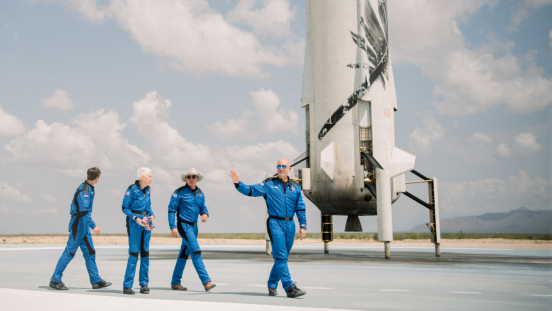
The dream of space travel, once reserved for an elite few government-selected professionals, is rapidly becoming a reality for a wider range of individuals. With the advent of commercial spaceflight companies like SpaceX, Blue Origin, and Virgin Galactic, the concept of a “commercial astronaut” has emerged. But what does it truly take for an ordinary person to embark on such an extraordinary journey? Beyond financial means, the path to becoming a commercial astronaut is paved with rigorous medical selection and intense adaptation training designed to prepare the human body and mind for the unique challenges of space.
This ultimate guide delves deep into the essential requirements and training modules that aspiring commercial astronauts must undergo. We will explore the critical medical criteria, the multifaceted adaptation training protocols, the psychological fortitude required, and how this new era of space travel compares to traditional astronaut programs. Prepare to uncover the science, dedication, and preparation behind humanity’s next leap into the cosmos.
The Dawn of Commercial Astronauts: A New Era in Spaceflight
The space industry is undergoing a profound transformation, shifting from government-led missions to include a burgeoning private sector. This paradigm shift has given rise to the commercial astronaut – an individual who flies into space not as part of a national space agency, but through a private enterprise. This includes space tourists, researchers, and company employees performing tasks in orbit or suborbital flights.
Defining Commercial Astronauts
Unlike traditional astronauts who are typically highly trained military test pilots or scientists employed by agencies like NASA or ESA, commercial astronauts come from diverse backgrounds. They are often private citizens purchasing tickets for suborbital or orbital flights, or individuals employed by commercial space companies to operate spacecraft or perform specific duties. The core distinction lies in their funding and operational affiliation, opening up space access to a broader demographic.
Historical Context: From Government Monopolies to Private Ventures
For decades, space travel was the exclusive domain of state-funded programs, driven by Cold War competition and scientific exploration. The selection process was extraordinarily stringent, focusing on individuals with exceptional physical and mental fortitude, often with military aviation experience. However, with the retirement of the Space Shuttle program and the rise of private innovation, companies began to offer commercial alternatives. This shift has necessitated new selection and training protocols tailored for a wider range of participants, while still upholding paramount safety standards.

Phase 1: Rigorous Medical Selection for Space Readiness
Before any training can commence, aspiring commercial astronauts must undergo a comprehensive medical evaluation. This isn’t merely a standard physical; it’s an in-depth assessment designed to determine an individual’s physiological resilience to the extreme environment of space. The rationale is clear: even minor health issues can become severe complications under the stress of launch, microgravity, and re-entry.
Why Medical Screening is Paramount
Spaceflight exposes the human body to unique stressors, including rapid acceleration (G-forces), radiation, altered gravity, and confinement. These conditions can exacerbate pre-existing medical conditions or trigger new ones. Thorough medical screening minimizes risks, ensuring the safety of the individual, the crew, and the mission itself. It’s about identifying any vulnerabilities that could compromise performance or well-being in an environment where immediate medical assistance is limited.
Key Medical Requirements and Standards
While specific criteria may vary slightly between commercial operators, they generally align with established aerospace medicine guidelines. These often include:
- Cardiovascular Health: A pristine heart and circulatory system are non-negotiable. Candidates undergo extensive cardiac stress tests, EKGs, echocardiograms, and blood pressure monitoring. Any history of heart disease, arrhythmias, or significant hypertension is typically disqualifying due to the strain of G-forces and fluid shifts in microgravity.
- Pulmonary Function: Healthy lungs are crucial for tolerating pressure changes and maintaining oxygen saturation. Lung function tests (spirometry) and chest X-rays are standard to rule out conditions like asthma, COPD, or lung scarring.
- Neurological Assessment: A comprehensive neurological exam checks for conditions like epilepsy, severe migraines, or any history of stroke or neurological disorders that could impair cognitive function or motor control in space. Balance and coordination are also meticulously evaluated.
- Vision and Hearing Standards: While perfect vision is often preferred, some commercial programs may accept corrective lenses or laser eye surgery outcomes, provided stability and no complications. Hearing must be within normal limits, especially for critical communication.
- Psychological Evaluation: Beyond physical health, mental fortitude is critical. Candidates undergo psychological assessments, personality tests, and interviews to evaluate their resilience, ability to cope with stress and isolation, adaptability, and teamwork capabilities. History of severe mental health conditions is typically disqualifying.
Phase 2: Comprehensive Adaptation and Survival Training
Once medically cleared, candidates proceed to the demanding phase of adaptation and survival training. This multi-faceted program is designed to familiarize them with the sensations of spaceflight, teach them how to operate within a spacecraft, and prepare them for potential emergencies.
Understanding the Space Environment Challenges
Space presents a hostile environment. Trainees learn about microgravity’s effects on the body (space adaptation sickness, bone density loss, muscle atrophy), radiation exposure, vacuum, and extreme temperatures. Understanding these challenges is the first step toward effective adaptation.
G-Force Tolerance Training (Centrifuge)
During launch and re-entry, astronauts experience significant G-forces, pushing them into their seats. Centrifuge training simulates these forces, gradually increasing the G-load to help individuals learn breathing techniques and muscle tensing to maintain consciousness and comfort. This builds tolerance and reduces anxiety for the actual event.
Microgravity Adaptation (Parabolic Flights, Neutral Buoyancy Lab)
Experiencing weightlessness is a core part of spaceflight. Parabolic flights, often dubbed the “vomit comet,” provide brief periods of microgravity, allowing trainees to practice movement, object handling, and acclimatize to the sensation. For longer duration missions, the Neutral Buoyancy Laboratory (NBL) uses a large pool to simulate microgravity for spacewalk practice and equipment manipulation.
Emergency Procedures & Survival Training
Safety is paramount. Trainees learn how to respond to various emergency scenarios, including cabin depressurization, fires, medical emergencies, and abort procedures. This often includes wilderness survival training, preparing them for potential landings in remote or harsh environments.
Spacecraft Systems Familiarization
Commercial astronauts must understand the basics of their specific spacecraft’s systems. This includes controls, life support systems, communication equipment, and emergency protocols. Extensive simulations and hands-on training are provided for the particular vehicle they will fly in.
Communication Protocols
Effective communication with ground control and fellow crew members is vital. Trainees learn standard terminology, procedures, and how to use onboard communication systems, ensuring clear and concise information exchange during all phases of flight.
Psychological Resilience and Team Dynamics in Space
Beyond the physical demands, the psychological aspects of space travel are profound. The isolation, confinement, inherent risks, and intense operational tempo require exceptional mental fortitude and the ability to work seamlessly within a team.
Coping with Isolation and Confinement
Even on short commercial flights, the enclosed environment and separation from Earth can be challenging. Training often includes periods in confined spaces or simulated habitats to assess and develop coping mechanisms for isolation, boredom, and the lack of privacy.
Stress Management and Decision-Making
Spaceflight is inherently stressful. Trainees are put through high-pressure simulations to test their ability to remain calm, think critically, and make sound decisions under duress. Techniques for stress reduction, mindfulness, and maintaining focus are often taught.
Teamwork and Interpersonal Skills
Most space missions, even commercial ones, involve a crew. The ability to cooperate, communicate effectively, resolve conflicts, and support fellow crew members is crucial. Team-building exercises and group problem-solving tasks are integral to psychological training.
Commercial vs. Traditional Astronaut Training: A Comparative Analysis
While both commercial and traditional astronaut training programs aim for ultimate safety and mission success, their scope, intensity, and focus can differ significantly. This table highlights key distinctions:
| Feature | Commercial Astronaut Training | Traditional Astronaut Training (e.g., NASA) |
|---|---|---|
| Purpose | Space tourism, private research, company operations (e.g., Starlink deployment). | Government-led scientific research, exploration (ISS, Artemis), national security. |
| Duration | Shorter, highly tailored (days to weeks/months) depending on mission profile (suborbital vs. orbital). | Longer, comprehensive (years), covering vast array of skills and systems. |
| Medical Standards | Rigorous, but potentially less extreme than traditional, accommodating broader health profiles for short duration. | Extremely stringent, designed for long-duration missions and extreme environments. |
| Physical Fitness | High, but focus on functional fitness for specific flight profile. | Exceptional, often military-level fitness, designed for demanding EVAs and long-term health in space. |
| Specialization | Mission-specific (e.g., passenger, payload specialist). | Deep specialization in science, engineering, piloting, EVAs, spacecraft systems. |
| Emergency Training | Focused on vehicle-specific abort/emergency procedures. | Extensive, covering complex spacecraft systems, EVAs, medical emergencies, survival. |
| Psychological Prep | Focus on coping with short-duration stress, confinement, and novelty. | Extensive, for long-duration isolation, team dynamics, high-stress decision making. |
The Future of Civilian Spaceflight: Accessibility and Evolution of Training
The landscape of space travel is continually evolving, promising greater accessibility for “ordinary people” and necessitating dynamic changes in training methodologies and standards.
Expanding Opportunities for “Ordinary People”
As technology advances and costs potentially decrease, space tourism and private missions are expected to become more frequent. This will broaden the pool of potential commercial astronauts, leading to more diverse backgrounds and potentially more tailored training paths for specific roles or mission types.
Technological Advancements in Training
Virtual reality (VR) and augmented reality (AR) are already playing a significant role in enhancing training simulations, offering immersive and cost-effective ways to practice procedures and familiarize individuals with spacecraft environments. Advanced sensor technology will also allow for more precise physiological monitoring during training and actual flight.
Ethical Considerations and Future Standards
As more people venture into space, ethical considerations surrounding health, safety, and long-term effects of space travel will become increasingly important. International cooperation will be vital in establishing universal safety standards and ensuring responsible growth of the commercial space industry.
Pro Tips for Aspiring Commercial Astronauts
For those dreaming of a journey beyond Earth’s atmosphere, here’s some expert advice to begin your preparation:
- Start Early with Fitness: Develop a robust fitness regimen that emphasizes cardiovascular health, core strength, and overall endurance. Consult with sports medicine professionals for guidance.
- Pursue STEM Education: While not always mandatory for passenger roles, a background in Science, Technology, Engineering, or Mathematics (STEM) provides a strong foundation and deeper understanding of spaceflight principles.
- Develop Resilience and Problem-Solving Skills: Engage in activities that challenge you physically and mentally, fostering adaptability, quick thinking, and grace under pressure.
- Network within the Space Industry: Attend conferences, join space enthusiast groups, and follow commercial space companies. Understanding the industry landscape can open doors to opportunities.
- Save and Invest Wisely: Commercial spaceflight is currently very expensive. Financial planning is a practical step towards realizing your dream.
- Stay Informed: Keep abreast of developments in commercial spaceflight, new companies, and evolving training requirements.
Essential Checklist for Commercial Astronaut Candidates
This checklist provides a quick overview of critical areas to address for anyone considering commercial astronaut training:
- Medical Readiness:
- Comprehensive physical examination (annual)
- Cardiovascular health assessment (EKG, stress test)
- Pulmonary function test
- Neurological screening
- Vision and hearing checks
- Dental health check
- Psychological evaluation readiness
- Physical Preparedness:
- High-intensity cardiovascular training
- Strength and endurance training
- Balance and coordination exercises
- G-force tolerance preparation (where accessible)
- Mental Preparedness:
- Stress management techniques
- Problem-solving practice
- Teamwork and communication exercises
- Exposure to confined environments (simulated)
- Knowledge & Skills:
- Basic understanding of orbital mechanics and spaceflight physics
- Familiarity with spacecraft systems (general principles)
- Emergency procedure awareness
- Communication protocols
Frequently Asked Questions (FAQ)
- What is the minimum age to become a commercial astronaut?
- There isn’t a strict universal minimum age, but most commercial spaceflight companies require passengers to be at least 18 years old. Medical fitness and ability to follow instructions are prioritized over age, though extreme youth or advanced age might require additional medical scrutiny.
- Do I need a pilot’s license or military experience to be a commercial astronaut?
- No, unlike traditional government astronaut programs, commercial astronaut roles (especially for space tourists) generally do not require a pilot’s license or military experience. However, a background in aviation or a related field can be advantageous for certain operational roles within commercial space companies.
- How long does commercial astronaut training typically last?
- The duration varies significantly based on the mission profile. For suborbital flights (like Virgin Galactic), training might last a few days. For orbital flights (like SpaceX’s Inspiration4), it could extend for several months, encompassing more in-depth systems training, microgravity adaptation, and emergency procedures.
- What are the biggest medical risks associated with commercial spaceflight?
- The biggest medical risks include the effects of G-forces during launch and re-entry (which can stress the cardiovascular system), space adaptation sickness (nausea and disorientation in microgravity), and potential exposure to radiation. Long-duration orbital flights also present risks of bone density loss and muscle atrophy.
- Can individuals with pre-existing medical conditions become commercial astronauts?
- It depends on the condition and its severity. While stringent medical standards apply, some commercial programs might be more flexible than traditional government programs for short-duration flights, provided the condition is stable, well-managed, and poses no significant risk in the space environment. Each case is evaluated individually by aerospace medical professionals.