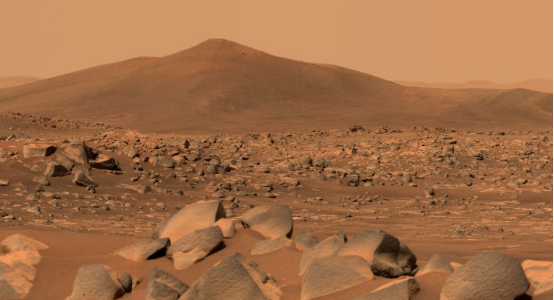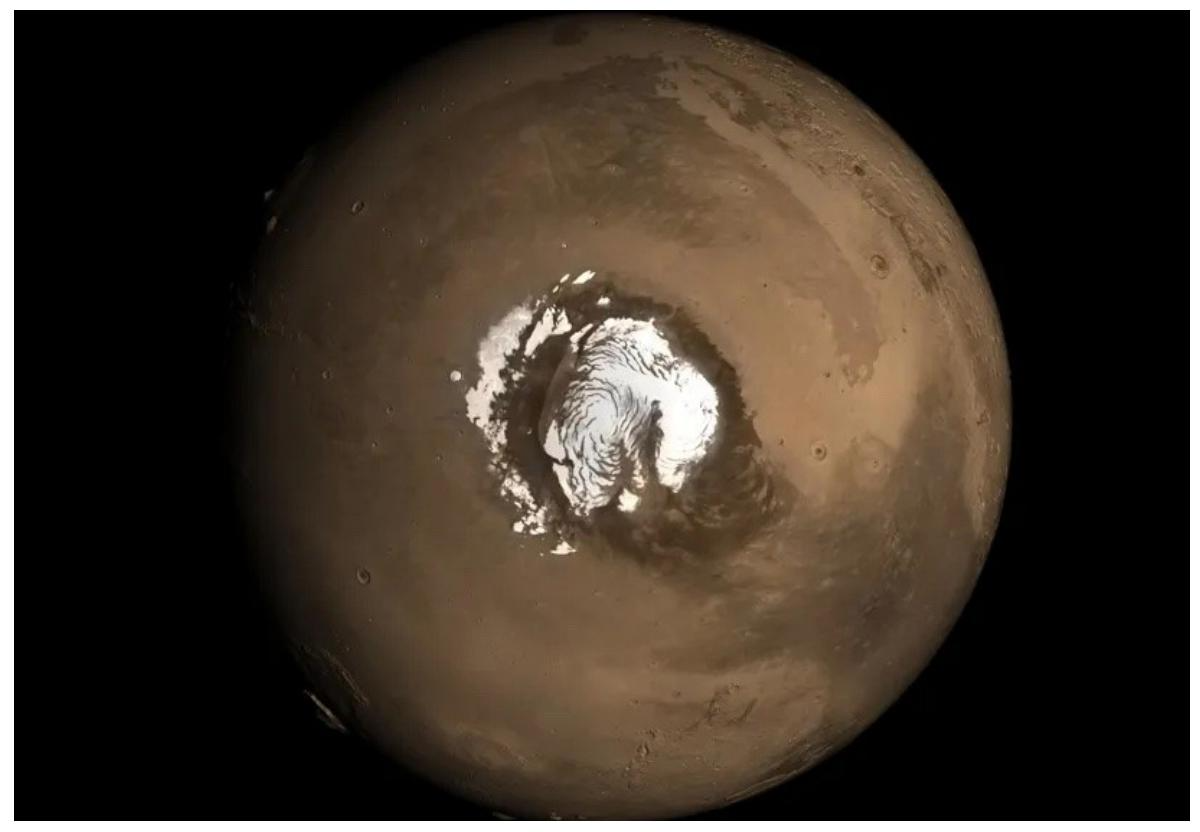
The Search for Life Beyond Earth: From Cosmic Origins to Alien Civilizations

Embark on a comprehensive journey into humanity’s quest for extraterrestrial life. This pillar page explores the fundamental role of interstellar ices in seeding life, the advanced scientific methods employed to detect biosignatures on distant exoplanets, and the ambitious pursuit of identifying alien artifacts or technosignatures across the cosmos. Discover the intricate processes and cutting-edge technologies driving our search for answers to one of the universe’s most profound questions: Are we alone?
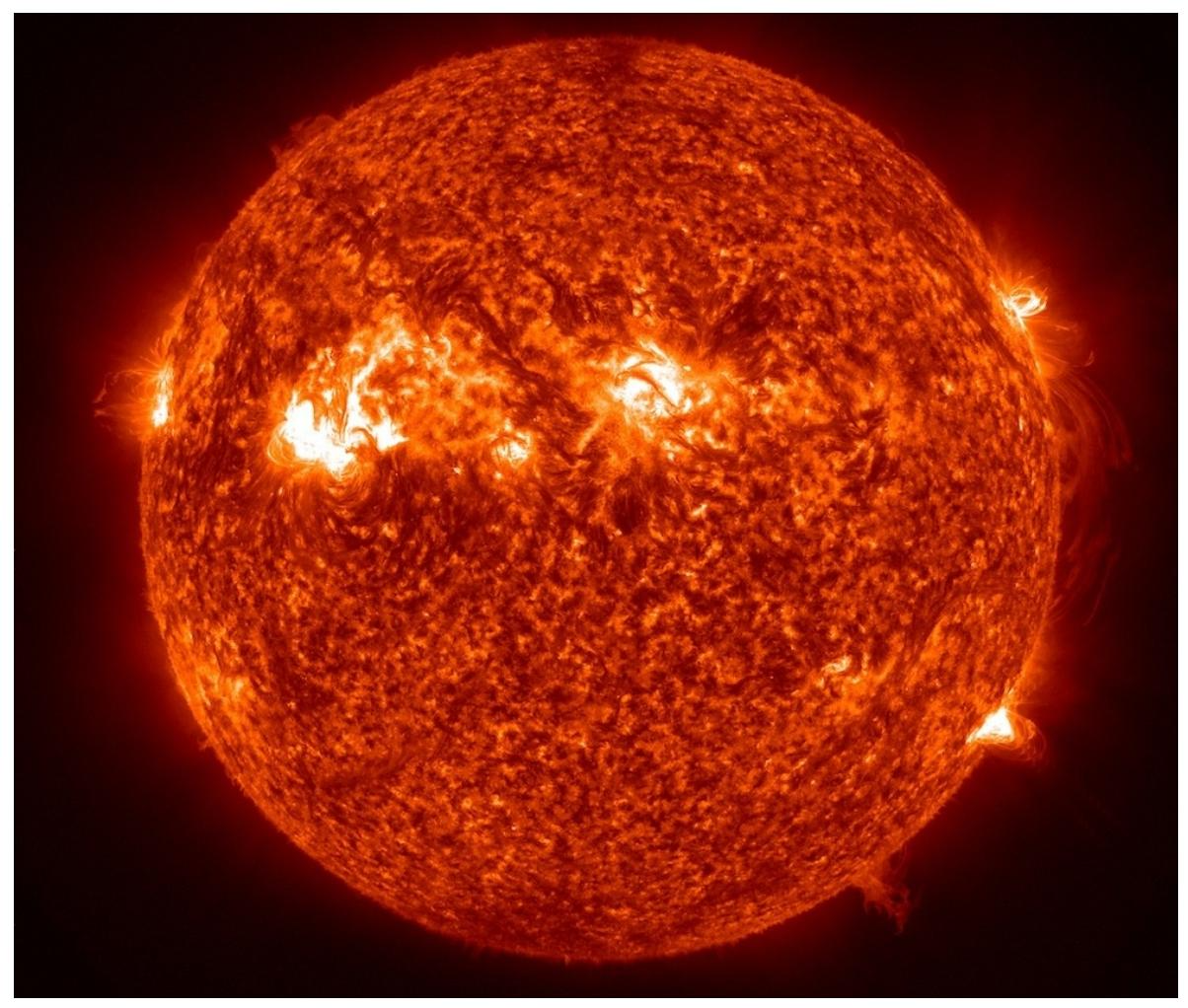
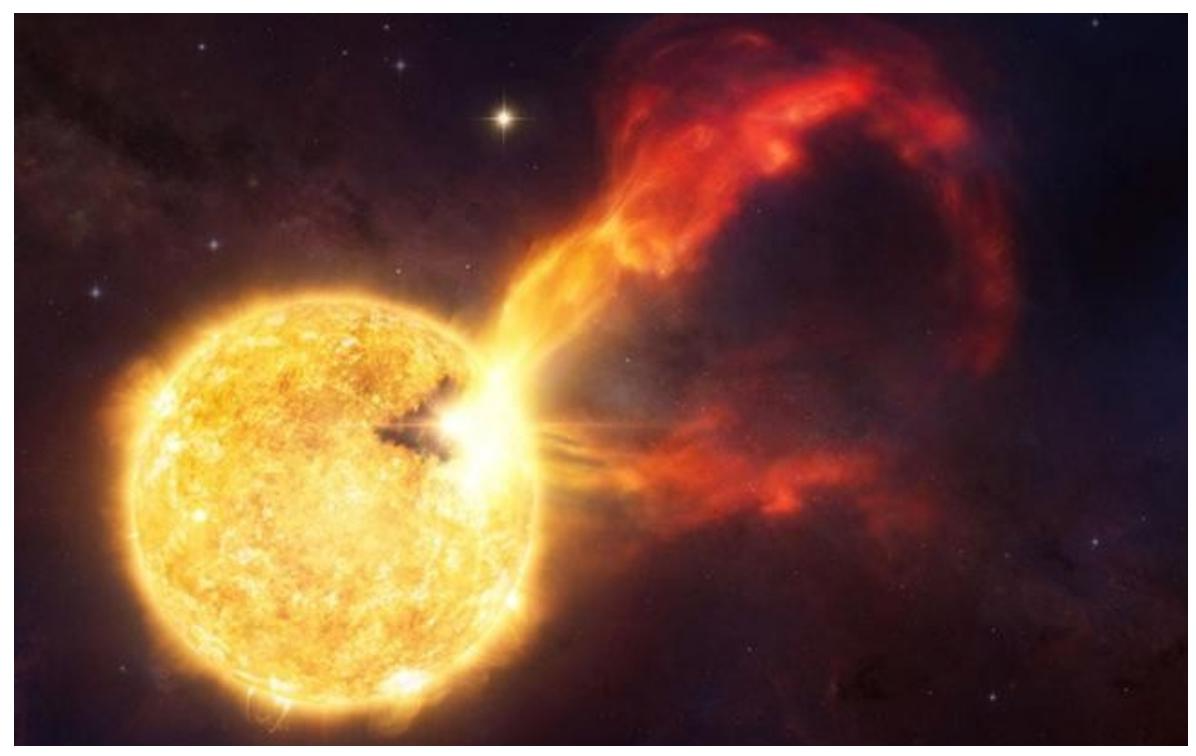
Unraveling Cosmic Power and Globular Cluster Stability: An Astronomical Journey

Embark on a profound journey through astronomical thought, exploring humanity’s historical quest to understand the Sun’s immense power before Einstein, and delving into the intricate gravitational dynamics that allow globular star clusters to endure for billions of years. This pillar page meticulously reconstructs the scientific progression, detailing the theories, mechanisms, and discoveries that shape our understanding of the universe’s most fundamental energy sources and resilient stellar structures.

Brown Dwarfs vs. Variable Stars: A Comparative Study

This article delves into the distinct yet interconnected realms of brown dwarfs, often termed “failed stars,” and the critical role of luminosity periodicity analysis in understanding variable stars for astronomical distance measurement. It explores the unique characteristics of brown dwarfs, their formation, and their place in the cosmic spectrum, juxtaposed with the sophisticated techniques used to analyze the light variations of distant stars to map the universe.

Type Ia Supernovae: Standard Candles and Cosmic Frontiers

An in-depth analysis of Type Ia supernovae, exploring their critical role as cosmic distance indicators and the recent breakthrough discovery of the most distant supernova to date, providing unprecedented insights into the expansion of the universe.

The Lifecycle of Massive Stars: From Supernovae to Compact Remnants

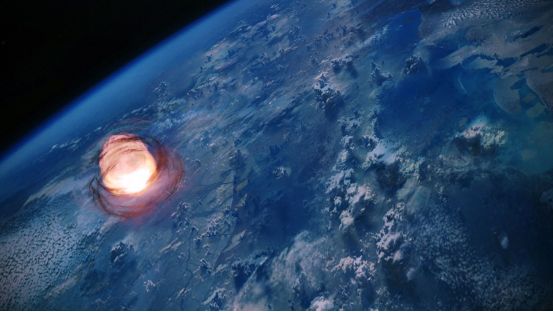
Explore the cataclysmic final stages of stellar evolution, including the formation of neutron stars, black holes, and the rare phenomenon of recurring supernovae. Learn about the potential hazards of local stellar explosions and the complex physics driving these cosmic events.

The Cosmos Unveiled: Exploring the Dark Universe, Interstellar Visitors, and Black Holes

Delve into the universe’s profound mysteries, from the faint cosmic optical background measured by New Horizons to the enigmatic journeys of interstellar objects like Oumuamua and Borisov, and the cutting-edge methods astronomers employ to detect and understand black holes. This comprehensive guide explores the groundbreaking missions and advanced techniques that are continually reshaping our understanding of the cosmos.

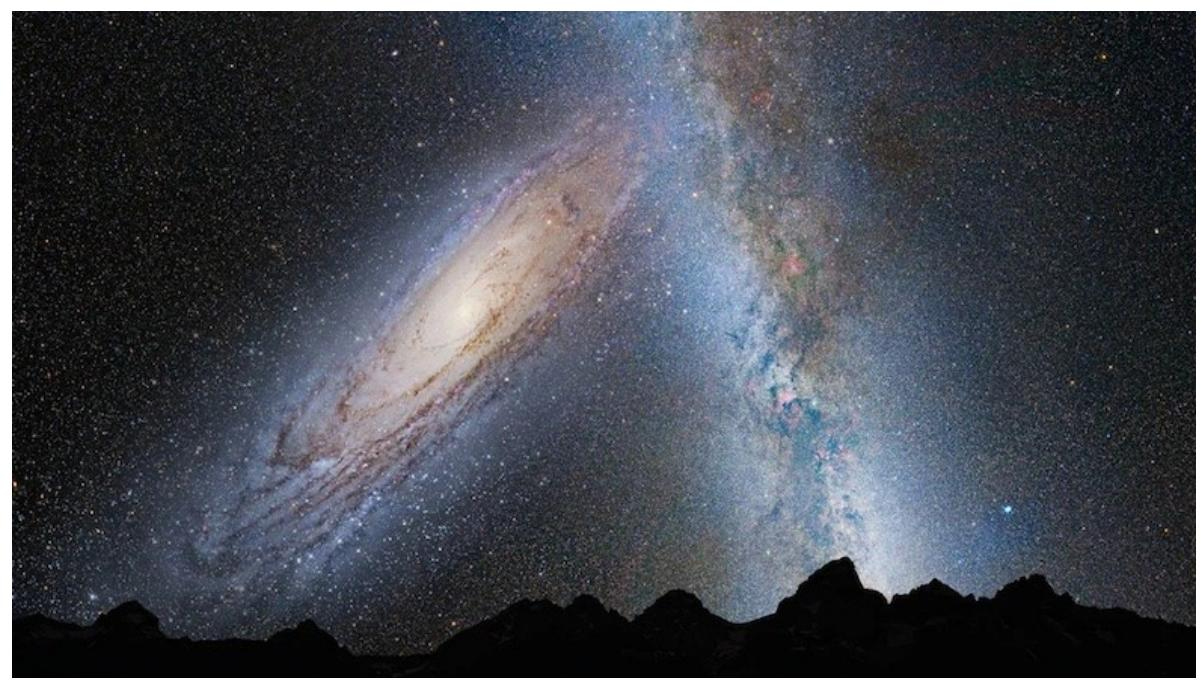
The Milky Way and Andromeda Galaxies May Not Merge: A New Cosmic Paradigm

For over a century, astronomers believed a colossal collision between the Milky Way and Andromeda was inevitable. However, groundbreaking new data from modern space observatories suggests these galactic giants might actually miss each other. Discover the science, the updated trajectories, and the future of our Local Group in this comprehensive guide.

The Ultimate Guide to Milky Way Anomalies: Black Holes, Rogue Planets, and Galactic Evolution

Dive deep into the structural anomalies, extreme cosmic phenomena, and evolutionary milestones of the Milky Way galaxy. This comprehensive pillar page explores everything from the periodic activity of Sagittarius A* and the enigmatic Fermi Bubbles to the stellar lifecycle and the use of microlensing to detect rogue planets in the dark expanse of our galactic home.

The Ultimate Guide: What a Solar Eclipse Looks Like from the Moon

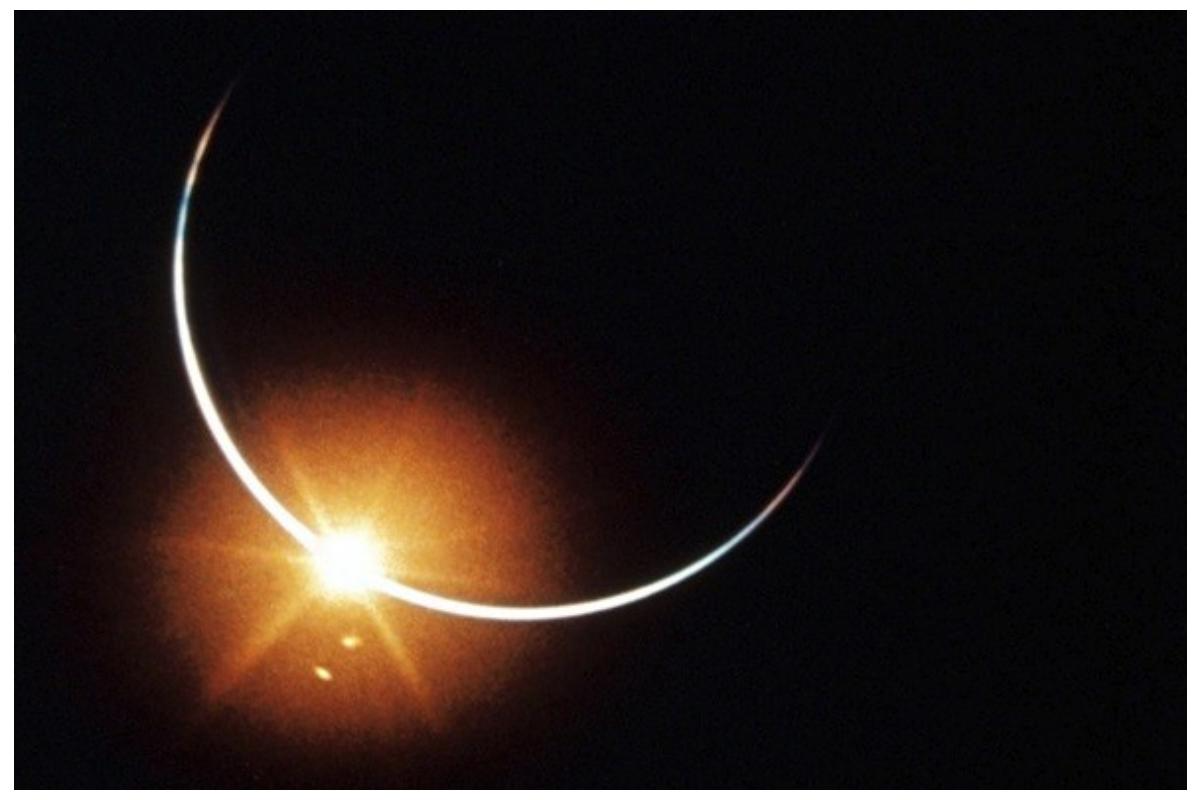
Shifting our perspective from Earth to its natural satellite, a solar eclipse transforms from a darkening of our sun into a breathtaking spectacle of a planetary shadow-play. This guide explores the science, visuals, and profound implications of witnessing this celestial alignment from the lunar surface, revealing an event both familiar and alien.

The Sun’s Death May Mean New Life: How the Outer Solar System Will Thaw

In approximately 5 billion years, our Sun will exhaust its hydrogen core and swell into a massive red giant, spelling inevitable destruction for the inner planets. However, this cataclysmic stellar death throe will dramatically shift the solar system’s habitable zone outward. Icy moons around Jupiter and Saturn, along with frozen dwarf planets in the Kuiper Belt, may experience a profound thawing, potentially transforming into temperate water worlds capable of supporting new life.

The Ultimate Guide to Safe Solar Observation: Eclipses, Sunspots, and Filters

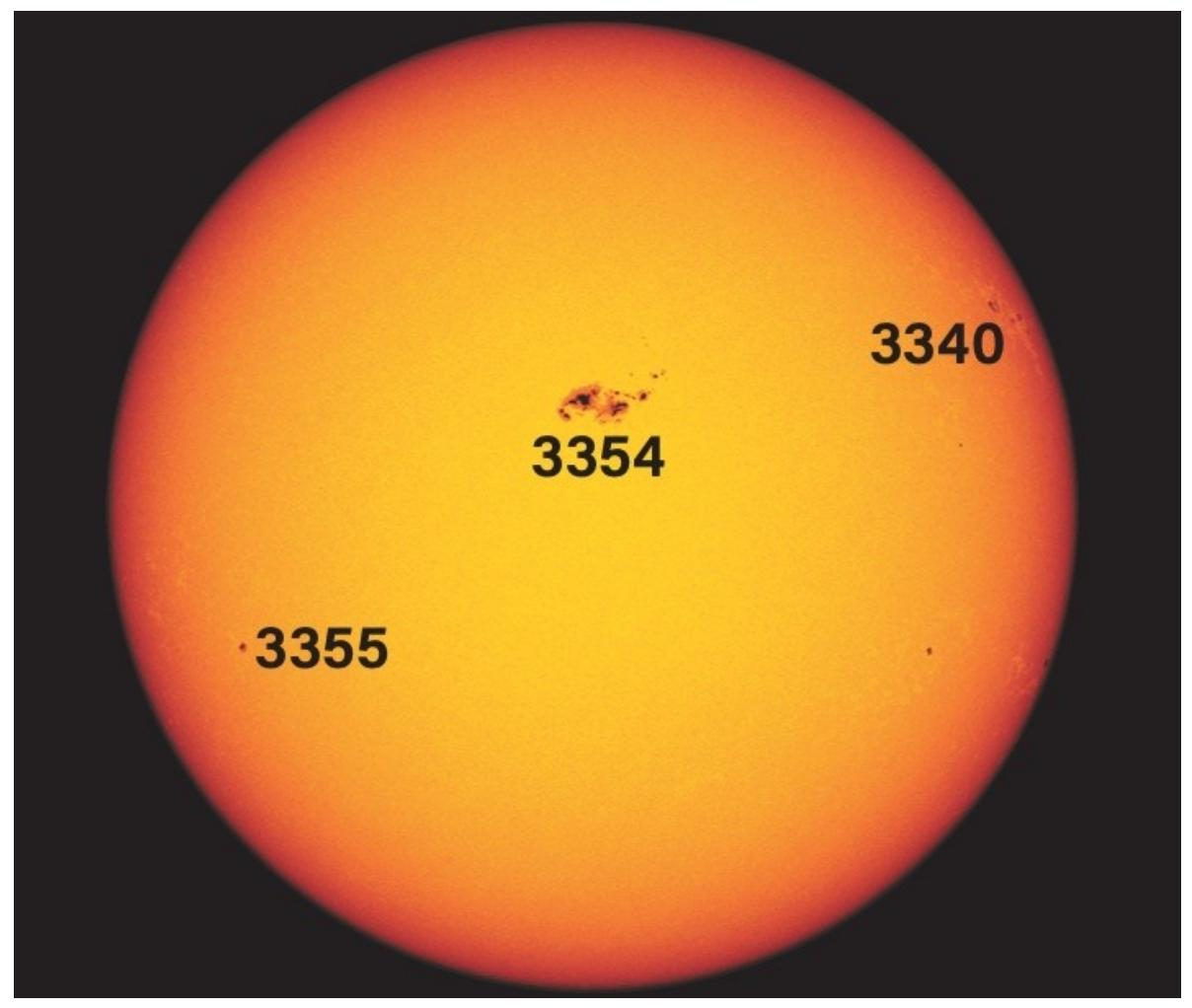
Observing the sun offers a breathtaking glimpse into the dynamic heart of our solar system, from tracking migrating sunspots to witnessing the awe-inspiring alignment of a total solar eclipse. However, solar observation carries profound risks if executed improperly. This comprehensive pillar page meticulously breaks down the science of solar retinopathy, the critical importance of ISO-certified solar filters, step-by-step methodologies for pinhole projection, and advanced telescopic techniques to ensure your solar viewing experience is entirely safe and deeply rewarding.

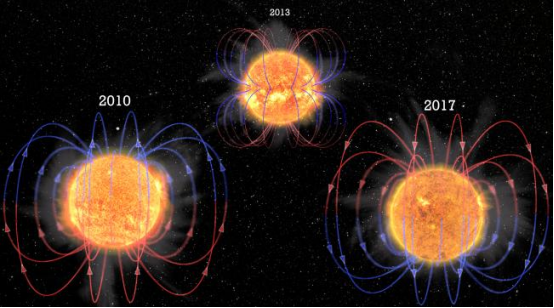
Unraveling Solar Mysteries: A Comprehensive Guide to Solar Observation and Earth’s Climate

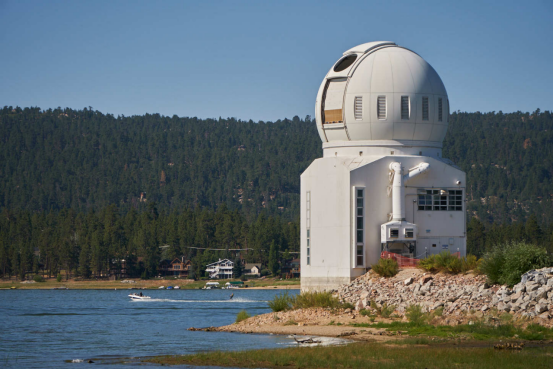
This comprehensive pillar page delves into the multifaceted relationship between the Sun and Earth, exploring advanced solar observation techniques, historical climate connections, the fundamental processes of solar fusion, and crucial early warning systems for solar phenomena. We examine the latest advancements in solar telescopes, the impact of solar magnetic cycles on Earth’s climate, the detection of solar neutrinos, and strategies for protecting our planet from solar events.

The Ultimate Guide to Ingenuity: The First Flight on Mars

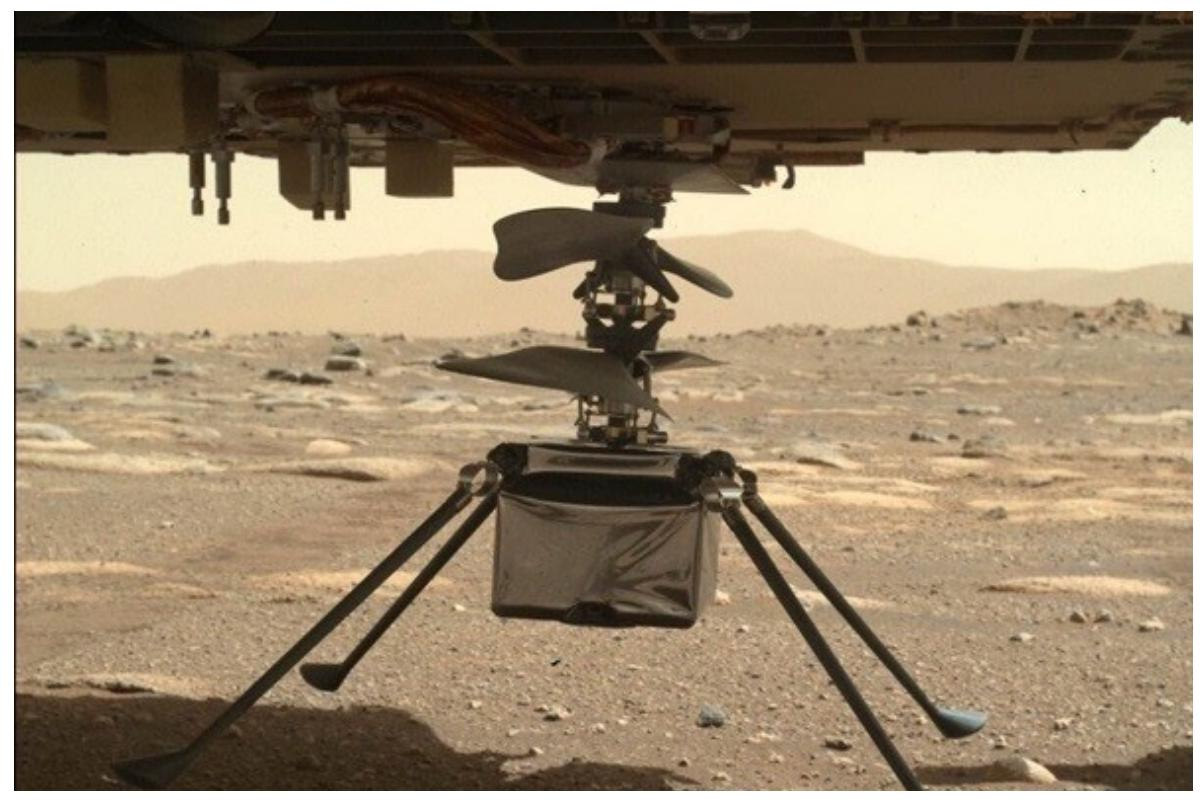
A deep dive into the story of NASA’s Ingenuity helicopter, the engineering marvel that achieved the first powered, controlled flight on another planet. We explore the challenges of Martian flight, the helicopter’s design, its historic first flight, and its lasting legacy for space exploration.

The Comprehensive Guide to Human Colonization of Mars

A deep-dive investigation into the technical, biological, and resource-based challenges of establishing a permanent human presence on the Red Planet, covering life support, circadian biology, and in-situ resource utilization.

The Enduring Quest for Water on Mars: Past, Present, and Future Implications

The search for water on Mars represents one of humanity’s most compelling scientific endeavors, fundamentally reshaping our understanding of the Red Planet’s geological history and its potential to harbor life. From early telescopic observations hinting at polar ice caps to sophisticated rover missions uncovering definitive proof of ancient oceans and subsurface reservoirs, the journey has been long and filled with groundbreaking discoveries. This comprehensive guide delves into the multifaceted evidence of water, explores its role in shaping Mars’ distinctive red landscape, and examines the profound implications for astrobiology and future human exploration. It encompasses the historical context of the search, the geological markers of past hydrological cycles, the current state of water in various forms, and the advanced technologies employed to uncover its hidden secrets, providing an information-dense overview of this critical scientific quest.

Mars Astrobiology: The Search for Past & Present Life

Delve into the comprehensive science of Martian astrobiology. This definitive guide explores the historical milestones, modern scientific strategies, and key robotic missions dedicated to answering humanity’s ultimate question: is there, or was there ever, life on Mars? Discover how biosignature detection and planetary evolution are shaping the future of extraterrestrial exploration.