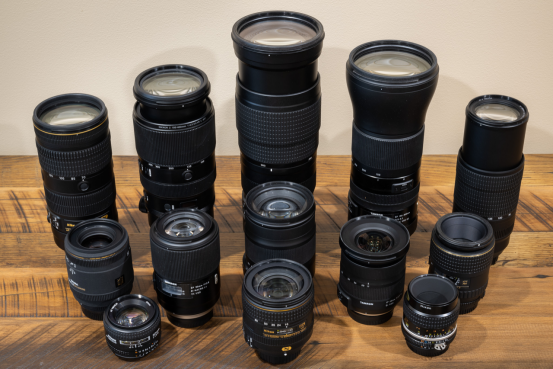
Understanding Your First Camera: DSLR vs. Mirrorless
For any aspiring photographer, the first major decision often revolves around choosing the right camera body. In 2025, the landscape is primarily dominated by two powerful contenders: the traditional DSLR (Digital Single-Lens Reflex) and the increasingly popular Mirrorless Camera. While both systems are capable of producing professional-grade images, their underlying technology and user experience differ significantly, impacting factors like size, weight, autofocus performance, and creative potential. Understanding these distinctions is crucial for beginners to select a camera that aligns with their photographic goals and budget, especially when looking at excellent entry-level options often available under $1000.
Key Differences: Size, Viewfinders, and Autofocus
The fundamental divergence between DSLRs and mirrorless cameras lies in the presence or absence of a mirror mechanism. A DSLR utilizes a reflex mirror that bounces light from the lens up to an optical viewfinder (OVF), allowing the photographer to see exactly what the lens sees in real-time. When the shutter button is pressed, the mirror flips up, and the sensor is exposed to light. This mechanical process, while robust, contributes to the larger size and weight of DSLRs.
- Optical Viewfinder (OVF) vs. Electronic Viewfinder (EVF): DSLRs offer a natural, lag-free optical viewfinder, ideal for bright conditions. Mirrorless cameras, conversely, use an Electronic Viewfinder (EVF), which is essentially a small screen displaying a digital preview directly from the sensor. EVFs offer advantages like real-time exposure simulation, white balance preview, and the ability to review images without taking your eye from the viewfinder, though some may experience slight lag in very dynamic situations.
- Autofocus Systems: DSLRs typically employ a dedicated phase-detection autofocus (PDAF) module, renowned for its speed and accuracy, especially with moving subjects. Mirrorless cameras, particularly newer models, often integrate phase-detection points directly onto the image sensor, combined with contrast-detection autofocus (CDAF). This hybrid approach has made mirrorless autofocus incredibly fast and precise, often surpassing DSLRs in areas like eye-tracking and continuous autofocus across the entire frame.
- Size and Weight: The absence of the mirror box and optical prism makes mirrorless cameras inherently smaller and lighter than their DSLR counterparts. This compact design is a significant advantage for beginners who prioritize portability and discreet shooting, making them easier to carry for extended periods or during travel.
Pros and Cons of Each System for Beginners
Choosing between DSLR and mirrorless involves weighing their respective strengths and weaknesses against your personal preferences and photographic needs. Each system offers distinct benefits that cater to different styles of shooting and learning curves.
| Feature | DSLR Cameras (Entry-Level) | Mirrorless Cameras (Entry-Level) |
|---|---|---|
| Viewfinder | Optical (OVF) – Real-time, no lag | Electronic (EVF) – Exposure/WB preview, potential lag |
| Size/Weight | Larger, heavier body | Smaller, lighter, more portable |
| Autofocus | Dedicated PDAF, fast for moving subjects | Hybrid PDAF/CDAF on sensor, excellent eye-tracking |
| Lens Ecosystem | Vast, mature lens selection (used market) | Growing rapidly, often more compact lenses |
| Battery Life | Generally superior due to OVF | Typically shorter due to EVF/LCD usage |
| Video Capabilities | Good, but often less advanced autofocus in video | Generally superior 4K/UHD video, advanced video AF |
| Price Point | Often slightly lower for comparable specs | Becoming highly competitive, great value under $1000 |
For beginners, DSLRs can offer a more traditional photographic experience with a familiar feel and robust battery life, while mirrorless cameras provide a glimpse into the future of photography with advanced features, superior video capabilities, and unmatched portability.
Top Mirrorless Cameras for Beginners Under $1000 (2025)
The sub-$1000 mirrorless market is incredibly competitive, offering exceptional value for beginners. These cameras often combine excellent image quality with user-friendly interfaces, making them perfect starting points. When considering options in this price bracket, look for models that offer a good balance of sensor size (APS-C is common and excellent), robust autofocus, and a growing lens ecosystem.
- Sony Alpha a6100: Known for its lightning-fast autofocus with real-time tracking and eye AF, a superb APS-C sensor, and compact body. It’s a fantastic all-rounder for stills and video.
- Fujifilm X-T200: Offers beautiful color science, a fully articulating touchscreen, and intuitive controls, making it very beginner-friendly for those who appreciate a tactile shooting experience.
- Canon EOS R100: An entry-level R-series camera that provides access to Canon’s RF lens mount and excellent image quality, though with a simpler control layout.
- Nikon Z 30: Designed with vloggers and content creators in mind, this camera boasts a flip-out screen, great video capabilities, and strong low-light performance, while still being excellent for stills.
- Panasonic Lumix G100: A Micro Four Thirds option, incredibly compact and lightweight, with strong video features and a wide range of available lenses.
These models represent some of the best entry-level mirrorless cameras that provide a blend of performance, features, and affordability, allowing beginners to grow into their camera without immediate limitations.

Demystifying Lenses: Prime vs. Zoom for Beginners
While the camera body acts as the brain of your photographic setup, the lens is undeniably its eye. The choice of lens significantly impacts the quality, perspective, and overall aesthetic of your photographs. For beginners, understanding the fundamental differences between prime lenses and zoom lenses is paramount to making informed decisions and unlocking diverse creative possibilities. Each type offers distinct advantages and disadvantages that cater to different shooting styles and situations, making them suitable for various photographic genres.
What is a Lens and Why it Matters
A camera lens is an optical assembly comprising multiple glass elements designed to focus light onto the camera’s sensor. Beyond merely capturing an image, the lens dictates several critical aspects of your photograph:
- Focal Length: Determines the angle of view and magnification. (e.g., wide-angle, telephoto).
- Aperture: Controls the amount of light entering the camera and influences depth of field (how much of the image is in focus).
- Image Quality: Factors like sharpness, contrast, and resistance to aberrations are heavily dependent on lens construction.
- Special Effects: Lenses can create unique visual effects, such as shallow depth of field (bokeh) or extreme wide-angle distortion.
A superior lens can often elevate the image quality of even a modest camera body, highlighting its importance as a primary investment for serious photographers. Understanding these core functions allows beginners to move beyond simply pointing and shooting, enabling conscious creative choices.
Prime Lenses: Sharpness, Aperture, and Creativity
A prime lens is characterized by its fixed focal length, meaning it cannot zoom in or out. Common examples include 50mm, 35mm, or 85mm. While this lack of zoom might seem restrictive at first, it forces the photographer to “zoom with their feet,” encouraging more thoughtful composition and interaction with the subject. This discipline is invaluable for developing a keen photographic eye.
- Exceptional Sharpness: Due to fewer moving parts and optimized optical designs for a single focal length, prime lenses often deliver superior sharpness and contrast compared to zoom lenses, especially at wider apertures.
- Wider Apertures (Faster Lenses): Many prime lenses boast very wide maximum apertures (e.g., f/1.8, f/1.4, f/1.2). A wider aperture allows more light to reach the sensor, making them excellent for low-light photography without resorting to excessively high ISO settings.
- Beautiful Bokeh: The wide apertures of prime lenses are ideal for creating a shallow depth of field, resulting in creamy, out-of-focus backgrounds (bokeh) that beautifully isolate the subject. This aesthetic is highly sought after in portraiture and artistic photography.
- Compact and Lightweight: Generally, prime lenses are smaller and lighter than zoom lenses, making them more portable and less conspicuous, which can be beneficial for street photography or travel.
For beginners, a “nifty fifty” (50mm f/1.8) prime lens is often recommended as a first purchase due to its affordability, excellent image quality, and versatility for portraits, street photography, and general shooting.
Zoom Lenses: Versatility and Convenience
Zoom lenses offer the flexibility of multiple focal lengths within a single lens, allowing photographers to change their perspective without physically moving. Common zoom ranges include 18-55mm (kit lens), 24-70mm, or 70-200mm. This versatility makes them incredibly convenient for a wide range of situations, from landscapes to portraits to sports.
- Unmatched Versatility: A single zoom lens can cover the range of several prime lenses, making it an ideal choice for travel, events, or situations where changing lenses frequently is impractical or time-consuming.
- Convenience and Speed: The ability to quickly adjust focal length means you can react faster to changing scenes and compositions, which is particularly useful in dynamic environments like wildlife or sports photography.
- Great for Beginners: Many entry-level cameras come bundled with a “kit lens” (e.g., 18-55mm), which is a zoom lens. This allows beginners to experiment with different focal lengths and discover their preferred styles without investing in multiple prime lenses upfront.
- Stabilization: Many zoom lenses, especially telephoto zooms, incorporate image stabilization (IS/VR/OS) technology, which helps to counteract camera shake and allows for sharper handheld shots at slower shutter speeds.
While zoom lenses might not always match the absolute sharpness or wide aperture capabilities of their prime counterparts, the convenience and flexibility they offer are undeniable. Professional photographers often utilize a combination of both prime and zoom lenses to cover all their bases.
Choosing Your First Lens: Kit Lenses and Beyond
For most beginners, the journey begins with the kit lens that comes bundled with their camera. These standard zoom lenses (e.g., 18-55mm f/3.5-5.6) are designed to be versatile and provide a good starting point for understanding focal length, composition, and basic camera operation. They offer a decent wide-angle to short telephoto range, suitable for everyday shooting, landscapes, and casual portraits.
After gaining some experience with your kit lens, consider expanding your collection based on your developing interests:
- For Portraits and Low Light: A 50mm f/1.8 prime lens is an excellent, affordable upgrade. It offers superb sharpness, beautiful background blur, and performs well in dimmer conditions.
- For Travel and Versatility: A higher-quality all-in-one zoom lens (e.g., 18-135mm or 18-200mm) can be a fantastic choice, providing a much broader focal range than a kit lens without needing to change lenses.
- For Landscapes and Architecture: A dedicated wide-angle zoom lens (e.g., 10-24mm for APS-C) can capture expansive scenes and dramatic perspectives.
- For Wildlife and Sports: A telephoto zoom lens (e.g., 70-300mm) is essential for bringing distant subjects closer and filling the frame effectively.
The key is to observe what focal lengths you use most often with your kit lens and what subjects you are most passionate about photographing. This will naturally guide your next lens purchase, ensuring it’s a valuable addition to your gear bag.

Mastering Focal Length: How Lenses Shape Your Vision
Beyond the choice between prime and zoom, the specific focal length of your lens is perhaps the most fundamental characteristic that defines how your photographs will look. It dictates the angle of view – how much of the scene the lens captures – and the magnification – how large subjects appear in the frame. Understanding focal length is not merely technical; it’s a crucial aspect of photographic composition and storytelling. Different focal lengths evoke different feelings, distort perspectives in unique ways, and are best suited for particular photographic genres.
The Concept of Focal Length Explained
Focal length is measured in millimeters (mm) and represents the distance between the optical center of the lens and the camera’s sensor when the subject is in focus at infinity. A shorter focal length means a wider angle of view, while a longer focal length results in a narrower angle of view and greater magnification. It’s important to remember that focal length is an inherent property of the lens itself, not the camera body.
- Angle of View: This refers to the extent of the scene captured by the lens. A 14mm lens has a very wide angle of view, encompassing a large portion of the landscape, whereas a 200mm lens has a narrow angle of view, isolating a small segment of the scene.
- Magnification: This determines how large subjects appear in the frame. A 200mm lens will make a distant bird appear much larger than a 50mm lens would from the same distance.
- Perspective Compression: While focal length doesn’t directly “compress” perspective, it affects how background and foreground elements appear relative to each other due to the required shooting distance. Longer focal lengths, by necessitating greater distance from the subject to achieve the same framing as a wide-angle, make background elements appear closer and larger in relation to the subject.
Mastering focal length means learning to choose the right “eye” for your story, understanding how each millimeter change affects the visual narrative and emotional impact of your images.
Wide-Angle Lenses: Capturing the Big Picture
Wide-angle lenses have short focal lengths, typically ranging from 10mm to 35mm (on a full-frame sensor). They are characterized by their expansive angle of view, allowing photographers to capture a vast amount of a scene within a single frame. This makes them indispensable for certain types of photography.
- Applications: Ideal for landscape photography, architecture (to capture entire buildings or interiors), real estate, and astrophotography. They excel at conveying a sense of scale and immersion.
- Perspective Effects: Wide-angle lenses exaggerate perspective, making foreground elements appear larger and more prominent, while background elements recede dramatically. This can be used creatively to lead the viewer’s eye into the scene.
- Distortion: At very wide focal lengths (especially below 20mm), some lenses can exhibit barrel distortion, where straight lines appear to bow outwards. While sometimes undesirable, it can also be used for artistic effect.
- Depth of Field: Wide-angle lenses inherently have a larger depth of field at a given aperture and focusing distance compared to longer lenses, making it easier to keep both foreground and background in sharp focus.
When using a wide-angle lens, pay close attention to your foreground, as it will be a dominant element. Getting close to your main subject while still showing its environment is a powerful technique with these lenses.
Standard Lenses: Natural Perspective
Standard lenses typically have focal lengths around 50mm on a full-frame camera. This focal length is often considered “normal” because its angle of view closely approximates that of human vision, offering a natural and undistorted perspective.
- Applications: Extremely versatile, standard lenses are excellent for portraiture (especially environmental portraits), street photography, documentary photography, and general everyday shooting.
- Natural Perspective: Images captured with a 50mm lens tend to look very natural, with minimal distortion and a balanced representation of the scene. This makes them easy for beginners to compose with.
- Often Fast (Wide Aperture): Many 50mm prime lenses are available with very wide maximum apertures (e.g., f/1.8, f/1.4), making them superb for low-light conditions and creating beautiful shallow depth of field.
- Affordable: The “nifty fifty” (50mm f/1.8) is one of the most affordable and high-performing lenses available across most camera systems, making it an essential first prime lens for many.
A standard lens encourages photographers to move around and find the best vantage point, fostering a deeper understanding of composition and light, similar to how a prime lens trains the eye.
Telephoto Lenses: Bringing Distant Subjects Closer
Telephoto lenses have long focal lengths, typically ranging from 70mm to 600mm or even longer. Their primary characteristic is their ability to magnify distant subjects, making them appear closer and larger in the frame. They achieve a narrow angle of view, effectively isolating subjects from their surroundings.
- Applications: Essential for wildlife photography, sports photography, photojournalism, and capturing details from afar. They are also popular for certain types of portraiture, particularly headshots.
- Subject Isolation: Telephoto lenses are excellent at blurring out backgrounds, even at narrower apertures, due to their inherent shallow depth of field and the effect of perspective compression. This helps to make the subject stand out prominently.
- Perspective Compression: As mentioned, telephoto lenses appear to “compress” the distance between foreground and background elements, making them seem closer together. This can create a dramatic, layered effect, particularly in landscape photography.
- Image Stabilization: Due to the magnification, camera shake is more pronounced with telephoto lenses. Many telephoto lenses incorporate advanced image stabilization systems to counteract this, allowing for sharper handheld shots.
When working with telephoto lenses, a fast shutter speed is often necessary to freeze motion and minimize blur, especially for handheld shooting. A sturdy tripod is also highly recommended for very long focal lengths.
Impact of Crop Factor on Focal Length
It’s crucial for beginners to understand the concept of crop factor, especially when using cameras with APS-C or Micro Four Thirds sensors. While focal length is an intrinsic property of the lens, the sensor size affects the effective focal length or the equivalent angle of view.
- Smaller Sensors, Narrower View: APS-C sensors are smaller than full-frame sensors. A lens designed for full-frame will effectively “crop” the image when used on an APS-C camera, resulting in a narrower angle of view. For example, a 50mm lens on an APS-C camera with a 1.5x crop factor will have an effective focal length equivalent to 75mm on a full-frame camera (50mm x 1.5 = 75mm).
- Magnification Effect: This “crop” effectively magnifies the image, making it seem like you’re using a longer lens. This can be an advantage for telephoto applications but means a 50mm lens on a crop sensor acts more like a short telephoto than a standard lens.
- Lens Design: Lenses designed specifically for crop sensors (e.g., Canon EF-S, Nikon DX, Sony E-mount APS-C) will produce the stated focal length, but their angle of view should always be considered in the context of the crop factor relative to full-frame.
Always consider your camera’s sensor size when reading lens specifications or comparing focal lengths, as it directly impacts the field of view you will achieve.

Essential Photography Accessories and Tips for Beginners
Beyond the camera body and lenses, a few key accessories can significantly enhance your photographic experience and protect your investment. Coupled with some fundamental tips, these tools will help beginners develop good habits and improve their craft more rapidly. Investing in the right supporting gear can prevent frustration and open up new creative avenues, ensuring you’re prepared for various shooting scenarios.
Must-Have Accessories: Tripods, Bags, Memory Cards
While often overlooked in the initial excitement of buying a camera, these accessories are crucial for functionality, protection, and expanding your creative options.
- Memory Cards (SD Cards):
- Speed: Prioritize cards with high read/write speeds (e.g., UHS-II U3 or V60/V90 ratings) to ensure fast burst shooting and smooth 4K video recording, preventing buffer bottlenecks.
- Capacity: Multiple smaller capacity cards (e.g., 64GB or 128GB) are often safer than one large card, as data loss on one card won’t compromise all your photos.
- Reliability: Stick to reputable brands like SanDisk, Lexar, or Sony to minimize the risk of card failure.
- Camera Bag:
- Protection: A well-padded bag protects your camera and lenses from bumps, dust, and moisture.
- Organization: Internal dividers help keep gear organized and prevent scratches.
- Comfort: Choose a backpack or sling bag that is comfortable for your body type and carrying style, especially if you plan to carry it for extended periods.
- Tripod:
- Stability: Essential for sharp images in low light, long exposures (e.g., landscapes, astrophotography), and time-lapses.
- Composition: Forces you to slow down and meticulously compose your shots, leading to more deliberate and thoughtful images.
- Types: Look for a balance of stability, weight, and portability. Aluminum is robust, carbon fiber is lighter but more expensive.
- Extra Battery: Camera batteries, especially in mirrorless systems, can drain quickly. An extra battery is a non-negotiable accessory, preventing missed shots during extended outings.
- Lens Cleaning Kit: A simple kit with a blower, lens pen, and microfiber cloth is crucial for keeping your lenses free of dust and smudges, which can degrade image quality.
These accessories form the backbone of a beginner’s kit, ensuring functionality and longevity for your primary gear.
Basic Camera Settings to Get Started
Understanding the “exposure triangle” – Aperture, Shutter Speed, and ISO – is fundamental to taking control of your camera and moving beyond automatic modes. Each setting affects the brightness of your image and has creative implications.
- Aperture (f-stop):
- What it is: The size of the opening in the lens that lets light in. Measured in f-numbers (e.g., f/1.8, f/5.6, f/16).
- Effect: A smaller f-number (e.g., f/1.8) means a wider opening, more light, and a shallower depth of field (more background blur). A larger f-number (e.g., f/16) means a narrower opening, less light, and a deeper depth of field (more in focus).
- When to use: Wide apertures for portraits (bokeh), narrow apertures for landscapes (everything in focus).
- Shutter Speed:
- What it is: The duration for which the camera’s shutter remains open, exposing the sensor to light. Measured in fractions of a second (e.g., 1/1000s, 1/60s, 2s).
- Effect: A faster shutter speed (e.g., 1/1000s) freezes motion. A slower shutter speed (e.g., 1/2s) blurs motion.
- When to use: Fast speeds for sports/wildlife, slow speeds for creative motion blur (waterfalls, light trails).
- ISO:
- What it
Independent gear note: Camera, lens, and brand names are used for identification and comparison only. Moon Station is not affiliated with, sponsored by, endorsed by, or authorized by the mentioned manufacturers or rights holders. Confirm current specifications, compatibility, warranties, and prices with official or qualified sources before purchasing equipment.
- What it