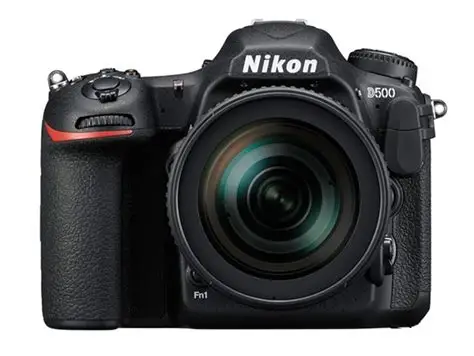
In the world of digital photography, Nikon’s APS-C sensor format, known as DX-format, has long been a battleground for innovation, offering a perfect balance of image quality, performance, and system size. For years, Nikon has produced class-leading cameras in this segment, catering to everyone from enthusiastic beginners to demanding professionals. This guide explores two pivotal cameras that represent different eras of Nikon’s engineering prowess: the Nikon D500, the undisputed king of DX DSLRs, and the highly anticipated Nikon Z50 II, a mirrorless camera poised to redefine the modern APS-C experience. We will dissect their technologies, compare their strengths, and provide a clear roadmap for photographers deciding which path to take in the evolving Nikon ecosystem.
The DSLR Apex Predator: Nikon D500 Deep Dive
The Nikon D500 is not just a camera; it’s a statement. Hailed as a “baby D5,” it packs the heart of a professional flagship sports camera into a more compact and accessible APS-C body. It represents the pinnacle of Nikon’s DSLR technology for the DX format, engineered for one primary purpose: to capture decisive moments with unerring speed and precision. Even years after its release, its performance in demanding situations like wildlife and sports photography remains a benchmark.
Unmatched Autofocus and Speed
The core of the D500’s legendary status is its Multi-CAM 20K autofocus system, inherited directly from the flagship D5. This system is a masterclass in subject acquisition and tracking. It features 153 AF points, 99 of which are cross-type sensors, providing dense coverage across the frame. This allows the camera to lock onto and tenaciously track erratically moving subjects, whether it’s a bird in flight or an athlete on the field. Paired with a continuous shooting speed of 10 frames per second and a massive buffer capable of holding up to 200 14-bit lossless compressed RAW files, the D500 ensures you never miss the shot. This combination of AF prowess and buffer depth is what separates it from nearly every other APS-C camera of its generation.
Professional-Grade Build and Ergonomics
Picking up a D500, you immediately feel its professional pedigree. The body is constructed from a rugged magnesium alloy and features extensive weather sealing, making it a reliable tool in harsh environments, from dusty safaris to damp rainforests. The ergonomics are classic Nikon—a deep, comfortable grip, intuitively placed buttons and dials, and a top-plate LCD for quick settings checks. For photographers who rely on muscle memory and tactile control, the D500 is a joy to operate. The large, bright optical viewfinder (OVF) provides a zero-lag, unfiltered view of the world, a feature many action photographers still prefer over electronic viewfinders.
Image Quality and Low-Light Performance
While built for speed, the D500 does not compromise on image quality. Its 20.9-megapixel DX-format CMOS sensor and EXPEED 5 image processor deliver outstanding results. The resolution is a sweet spot, providing ample detail while allowing for larger pixels that contribute to excellent performance in low light. The native ISO range of 100-51,200 is genuinely usable at higher settings, producing clean files with rich colors and wide dynamic range, making it a versatile tool for more than just daytime action.

The Mirrorless Evolution: Unpacking the Nikon Z50 II
While the D500 represents the peak of the DSLR era, the Nikon Z50 II is poised to represent the future. Building on the foundation of the original Z50, this anticipated successor is expected to bring Nikon’s latest mirrorless innovations to the DX format. It promises a more compact, intelligent, and video-centric experience, leveraging the inherent advantages of the mirrorless Z-mount system to deliver a powerful tool for a new generation of creators.
Next-Generation Z-Mount Advantages
The single greatest advantage of the Z50 II is its use of the Nikon Z-mount. With the largest full-frame mount diameter and shortest flange distance in the industry, the Z-mount allows for revolutionary lens designs that are sharper, brighter, and more compact. For the DX format, this means access to a growing ecosystem of superb Z-series lenses, as well as seamless adaptation of F-mount DSLR lenses via the FTZ adapter. The mirrorless design itself enables a lighter and more portable body, making it an ideal companion for travel and everyday photography.
Anticipated Performance Upgrades
The Z50 II is expected to feature significant upgrades that will bring it in line with Nikon’s more advanced full-frame Z cameras. These projected enhancements aim to address the needs of modern hybrid shooters.
- Advanced Autofocus: Expect a sophisticated hybrid AF system incorporating the latest subject-detection algorithms. This will likely include robust Eye-Detection AF for both humans and animals, a feature that has become a staple of modern mirrorless cameras and a crucial tool for portrait and wildlife photographers.
- Superior Video Capabilities: Video is a key area for improvement. The Z50 II is rumored to offer 4K/60p video recording, a significant step up from the 4K/30p of its predecessor. The inclusion of features like N-Log for better color grading, a fully articulating screen for vlogging, and improved audio inputs would make it a formidable video production tool.
- New Sensor and Processor: A new, potentially higher-resolution BSI CMOS sensor paired with a newer EXPEED processor would not only enhance image detail but also improve autofocus speed, buffer performance, and high-ISO noise control.
Redesigned for the Modern Creator
The user experience is a core focus of mirrorless cameras. The Z50 II is expected to feature a high-resolution electronic viewfinder (EVF) that provides a real-time preview of exposure and color, a “what you see is what you get” advantage over an OVF. Ergonomic refinements, such as an even deeper grip and improved button layout, will enhance handling. Modern necessities like USB-C charging and data transfer will further streamline the workflow for creators on the go.

Core Differences: A Head-to-Head Comparison
Comparing the D500 and the Z50 II is a study in contrasting philosophies. One is a battle-tested workhorse built on a mature platform, while the other is a forward-looking tool designed for versatility and modern workflows. Understanding their fundamental differences is key to choosing the right camera for your specific needs.
| Feature | Nikon D500 (DSLR) | Nikon Z50 II (Projected Mirrorless) |
|---|---|---|
| Camera Type | Digital Single-Lens Reflex (DSLR) | Mirrorless Interchangeable-Lens |
| Viewfinder | Optical (OVF) – Zero Lag | Electronic (EVF) – Real-time Preview |
| Autofocus System | 153-point Phase-Detect (dedicated sensor) | Hybrid On-Sensor Phase/Contrast Detect with Subject Recognition |
| Continuous Shooting | 10 fps with massive buffer | Potentially 12+ fps with advanced AF tracking |
| Video Capabilities | 4K/30p with a significant crop | Projected 4K/60p, likely full-width or minimal crop |
| Body & Ergonomics | Heavy, robust, weather-sealed, extensive physical controls | Lighter, more compact, deep grip, emphasis on screen interaction |
| Lens Mount | Nikon F-mount (native) | Nikon Z-mount (native), F-mount via adapter |
| Battery Life | Excellent (1,240 shots CIPA) due to OVF | Moderate, typical of mirrorless cameras (EVF/LCD usage) |
The most significant divergence lies in the viewfinder technology. The D500’s OVF offers a direct, real-time connection to the scene, which is invaluable for tracking fast-moving subjects. In contrast, the Z50 II’s EVF offers the immense benefit of exposure simulation, focus peaking, and overlaying data, which is superior for manual focusing and assessing the final image before capture.

Choosing Your Weapon: A Buyer’s Guide
The decision between these two cameras comes down to your primary use case and photographic philosophy. Both are exceptionally capable, but they excel in different domains. Analyzing your needs will lead you to the right choice.
Who Should Buy the Nikon D500?
The Nikon D500 remains the superior choice for a specific type of photographer: the action purist. If your work consists primarily of professional sports, demanding wildlife photography, or photojournalism in harsh conditions, the D500 is a proven and reliable tool. Its rugged build, phenomenal battery life, top-tier tracking autofocus, and lag-free optical viewfinder are a combination that is hard to beat for capturing peak action. Furthermore, photographers with a significant investment in professional F-mount lenses will find the D500 offers a seamless, no-compromise experience without the need for adapters.
Who Should Wait for the Nikon Z50 II?
The Nikon Z50 II is designed for the modern hybrid creator. This camera is the ideal choice if you are a:
- Vlogger or Videographer: The projected 4K/60p video, articulating screen, and advanced video AF features will make it a far more capable video machine.
- Travel Photographer: The smaller size and lighter weight of the mirrorless system are significant advantages when you’re on the move.
- Enthusiast All-Rounder: If you shoot a mix of portraits, landscapes, street, and family events, the Z50 II’s advanced Eye-AF, silent shutter, and WYSIWYG EVF provide a more versatile and user-friendly experience.
It is the forward-looking choice for anyone wanting to invest in the future of Nikon’s lens technology and benefit from the latest computational photography advancements.
The Future of Nikon’s APS-C (DX) Format
The existence of these two cameras highlights a pivotal transition in the camera industry. The Nikon D500 stands as a monument to the achievements of the DSLR era—a perfected machine for a specific purpose. It is likely the last professional-grade DX-format DSLR Nikon will ever produce. In contrast, the Z50 II and the broader Z-system represent Nikon’s clear and committed direction for the future. As Nikon continues to expand its Z-mount lens lineup for both FX and DX formats, the advantages of the mirrorless platform will only grow. While the D500 will remain a legendary and highly capable tool for years to come, the innovation, versatility, and technological ceiling of cameras like the Z50 II define the path forward for the next generation of Nikon photographers.
Frequently Asked Questions (FAQ)
- Is the Nikon D500 still a good camera today?
- Absolutely. For its intended purpose—fast-action sports and wildlife photography—the Nikon D500 remains one of the best APS-C cameras ever made. Its combination of speed, autofocus reliability, buffer depth, and rugged construction makes it a professional workhorse that continues to deliver top-tier results.
- What is the main advantage of the Z50 II’s mirrorless design over the D500 DSLR?
- The primary advantages are versatility and modernity. The Z50 II will be significantly smaller and lighter, feature a powerful electronic viewfinder for real-time exposure preview, offer superior video capabilities (like 4K/60p), and include intelligent features like advanced Eye-Detection AF. It’s a more adaptable tool for hybrid photo/video creators.
- Can I use my old Nikon F-mount lenses on the Z50 II?
- Yes. You can use Nikon F-mount lenses on the Z50 II with the Nikon FTZ or FTZ II adapter. For most modern AF-S lenses, autofocus and all other functions work seamlessly, allowing you to leverage your existing lens collection as you transition to the mirrorless system.
- Will the Nikon Z50 II have in-body image stabilization (IBIS)?
- This is a major point of speculation. To maintain a compact body and a lower price point, it’s possible the Z50 II will continue to rely on lens-based Vibration Reduction (VR), just like the original Z50. However, the inclusion of IBIS would be a game-changing feature that would significantly enhance its low-light and video performance, especially with non-VR prime lenses.