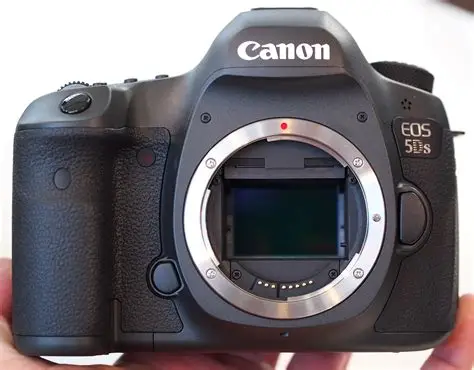
In the world of full-frame DSLRs, Canon made a monumental statement with the introduction of the EOS 5DS and EOS 5DS R. These cameras shattered previous resolution barriers, packing an unprecedented 50.6-megapixel sensor that targeted the most demanding commercial, studio, and landscape photographers. While nearly identical, the two models are distinguished by one critical feature: the handling of the low-pass filter. The 5DS employs a standard filter, while the 5DS R incorporates a cancellation filter to maximize sharpness. This guide provides an exhaustive analysis of both cameras, exploring their groundbreaking sensor, performance characteristics, and the practical implications of working with such incredible detail.
The 50.6MP Sensor: A New Era of Detail
The heart of both the 5DS and 5DS R is their revolutionary 50.6MP full-frame CMOS sensor. This resolution was a massive leap forward, rivaling medium format systems and offering photographers unparalleled detail-capturing capabilities. The sheer volume of information captured in each file provides immense flexibility in post-production and for final output.
Unprecedented Resolution and Its Advantages
A 50.6-megapixel sensor produces images with dimensions of 8688 x 5792 pixels. This has several profound benefits for professional photographers:
- Massive Print Sizes: Photographers can produce enormous, gallery-quality prints with stunning clarity and detail, even upon close inspection.
- Extreme Cropping Flexibility: The high resolution allows for significant cropping without sacrificing image quality. A heavily cropped section of a 50MP image can still be larger and more detailed than the native file from a lower-resolution camera. This is invaluable for wildlife and sports photography, or for recomposing a shot in post.
- Enhanced Detail Rendition: For landscape and architectural work, the sensor resolves incredibly fine textures, from distant foliage to the intricate patterns in building materials, creating images with a profound sense of depth and realism.
Who is This High Resolution For?
While impressive, this level of resolution is a specialized tool. The primary audience includes:
- Commercial and Advertising Photographers: Professionals shooting for large-format advertisements like billboards and magazine spreads where every pixel counts.
- Studio and Fashion Photographers: The ability to capture intricate fabric textures and flawless detail is a significant advantage in controlled studio environments.
- Landscape and Architectural Photographers: For those who demand the utmost sharpness and detail in their prints, the 5DS series delivers exceptional results, provided the right technique is used.

5DS vs. 5DS R: The Low-Pass Filter Explained
The single most important decision when choosing between these two cameras is understanding the low-pass filter (LPF). This component directly impacts the final sharpness and potential artifacts in an image, making the choice between the 5DS and 5DS R a matter of photographic priority.
Understanding the Role of the Low-Pass Filter
A standard low-pass filter, also known as an anti-aliasing filter, sits in front of the camera sensor. Its job is to introduce a very slight blur to the image to combat digital artifacts like moiré and false color. Moiré is the distracting, wavy pattern that can appear when photographing fine, repeating patterns, such as certain fabrics, grilles, or architectural details. False color is the appearance of unnatural color shifts in these same high-frequency areas. The 5DS includes a standard LPF, making it a safer choice for photographers who frequently shoot subjects prone to these issues, such as fashion or product photographers.
The 5DS R’s Cancellation Effect: Pros and Cons
The Canon 5DS R does not simply remove the LPF. Instead, it uses a second filter to cancel out the blurring effect of the first one. The result is that the sensor receives a sharper, more unfiltered view of the scene. The primary advantage is a perceptible increase in fine detail and critical sharpness, allowing photographers to extract the absolute maximum resolution from the 50.6MP sensor. However, this comes at the cost of an increased risk of moiré and false color. While these artifacts can often be corrected in post-processing, it adds an extra step to the workflow and may not always be completely successful.
Moiré and False Color: A Real-World Concern?
For many photographers, particularly those in landscape and nature, the risk of moiré is minimal. Organic, irregular patterns rarely trigger the effect. For them, the enhanced sharpness of the 5DS R is a clear benefit. Conversely, a wedding or fashion photographer shooting a variety of intricate fabric patterns might find the standard 5DS to be the more reliable and efficient tool, preventing potential issues at the time of capture.

Build Quality and Ergonomics: A Professional Workhorse
Canon built the 5DS and 5DS R on the proven chassis of the venerable EOS 5D Mark III. This decision provided users with a familiar, robust, and ergonomically sound body that was ready for professional use from day one. The construction and handling are designed for reliability and comfort during long shoots.
Familiar Design with Robust Construction
The camera body is constructed from a rugged magnesium alloy, providing durability without excessive weight. It also features a significant degree of weather sealing, offering protection against dust and moisture, which is essential for landscape and outdoor photographers working in challenging conditions. The base plate has been reinforced with a stronger tripod socket to ensure stability when mounted, a critical consideration for maintaining sharpness at such high resolutions.
Controls and Handling
The button layout and control scheme are virtually identical to the 5D Mark III, allowing existing Canon users to feel immediately at home. The grip is substantial and comfortable, and key functions are easily accessible via dedicated buttons and dials. The camera also features a highly customizable control system, allowing photographers to tailor its operation to their specific needs. The optical viewfinder is large and bright, providing approximately 100% coverage for accurate composition.

Performance and Autofocus System
Handling 50.6-megapixel files places immense demands on a camera’s processing capabilities and mechanical systems. Canon engineered the 5DS and 5DS R with components designed to manage the data throughput and mitigate the physical challenges of high-resolution photography.
Dual DIGIC 6 Processors and Data Throughput
At the core of the camera’s processing power are Dual DIGIC 6 image processors. This dual-processor setup is necessary to handle the massive amount of data generated by the sensor, enabling a continuous shooting speed of up to 5 frames per second (fps). While not a speed demon by sports photography standards, this rate is respectable given the file sizes. The processors also contribute to noise reduction and overall image processing efficiency.
The 61-Point High-Density Reticular AF
The 5DS series inherits the sophisticated 61-Point High-Density Reticular AF system from the EOS 1D X and 5D Mark III, with 41 of those points being the more sensitive cross-type. This system provides fast, accurate, and reliable focusing across a wide area of the frame. It also includes Canon’s EOS Intelligent Tracking and Recognition (iTR) AF, which uses color and face information to track subjects, enhancing its performance for moving subjects.
Taming Shutter Shock: The Mirror Vibration Control System
At 50.6 megapixels, even the slightest vibration can degrade image sharpness. To combat this, Canon introduced a Mirror Vibration Control System. It uses a motor-driven mechanism to control the mirror’s movement, reducing the slap and vibration associated with traditional spring-driven systems. This is a crucial feature for ensuring that photographers can achieve the maximum possible sharpness, especially when shooting at slower shutter speeds.

Image Quality Analysis: Beyond Resolution
While the headline feature is resolution, a camera’s ultimate value lies in its overall image quality. The 5DS and 5DS R deliver excellent results, though they are optimized for shooting in good light at lower ISO settings to maximize their primary strength: detail.
Dynamic Range and ISO Performance
The native ISO range of the 5DS series is 100-6400, expandable to 50-12800. Due to the smaller pixel pitch compared to lower-resolution full-frame sensors, its high-ISO performance is not its strongest suit. Images are cleanest and most detailed at ISO 100-800. Noise becomes more apparent beyond ISO 1600, but results remain usable for many applications. The dynamic range is good, allowing for significant recovery of highlight and shadow detail from RAW files, especially at the base ISO.
Color Science and the “Fine Detail” Picture Style
Canon is renowned for its pleasing color science, and the 5DS series continues this tradition with accurate and vibrant color reproduction. To help users get the most out of the sensor, Canon introduced a new “Fine Detail” Picture Style. This profile is specifically designed to maximize the sharpness and gradation of tones captured by the high-resolution sensor. It allows for fine-tuning of sharpness parameters like strength, fineness, and threshold, giving photographers granular control over the final look of their JPEGs or the starting point for their RAW edits.

Practical Considerations for High-Resolution Shooting
Owning a 50.6MP camera requires more than just buying the body. To truly leverage its capabilities, photographers must adapt their technique, equipment, and digital workflow. The high resolution is as demanding as it is rewarding.
The Critical Role of High-Quality Lenses
A high-resolution sensor is unforgiving of mediocre optics. To resolve 50.6 megapixels of detail, only the highest quality lenses will suffice. Canon’s L-series lenses, particularly the modern primes and top-tier zooms, are highly recommended. Using older or lower-quality glass will result in softer images that fail to take advantage of the camera’s potential.
Workflow Adjustments: Storage and Processing Power
The file sizes from the 5DS and 5DS R are substantial. A single RAW file can be around 60-70MB, and TIFFs can be much larger. This has significant implications for workflow:
- Storage: You will need large-capacity, high-speed memory cards (CF and SD) and a robust solution for long-term storage, such as a NAS or multiple high-capacity external hard drives.
- Processing: Editing these large files requires a powerful computer with a fast processor, ample RAM (16GB minimum, 32GB+ recommended), and a speedy SSD to avoid frustrating lag.
Essential Shooting Techniques for Maximum Sharpness
To avoid motion blur and vibration, which are magnified at this resolution, disciplined shooting technique is non-negotiable.
- Use a Sturdy Tripod: For landscape, architectural, and studio work, a solid tripod and head are essential.
- Utilize Mirror Lock-up: Engaging mirror lock-up or using Live View’s electronic shutter minimizes internal vibrations.
- Employ a Remote Shutter Release: Using a cable release, timer, or wireless remote prevents camera shake from pressing the shutter button.
- Maintain a High Shutter Speed: When shooting handheld, use a shutter speed that is significantly faster than the focal length to counteract camera shake.
Conclusion: A Specialized Tool for the Discerning Photographer
The Canon EOS 5DS and 5DS R are not all-purpose cameras; they are specialized instruments designed for one primary purpose: to capture the maximum possible detail. They excel in controlled environments and for subjects where resolution is the highest priority. The choice between the two models comes down to your primary subject matter. The 5DS is the safer, more versatile option for photographers who may encounter patterns that cause moiré, such as in fashion and product work. The 5DS R is for the purist who demands the absolute pinnacle of sharpness and is willing to manage the slight risk of artifacts, making it the ideal choice for dedicated landscape and fine art photographers. For those who understand their demands and are prepared to build a workflow around them, both cameras remain powerful and relevant tools for creating incredibly detailed images.
Frequently Asked Questions (FAQ)
- Q1: Who should buy the Canon 5DS R over the 5DS?
- The Canon 5DS R is primarily for photographers who prioritize maximum sharpness above all else and whose work rarely involves subjects with fine, repeating patterns. This typically includes landscape, architectural, and fine art photographers. The slight increase in detail from the low-pass filter cancellation effect can be a significant advantage for large-scale prints.
- Q2: Do I need new lenses to use the Canon 5DS or 5DS R effectively?
- It is highly recommended. To fully resolve the detail from the 50.6MP sensor, you need exceptionally sharp lenses. While any EF-mount lens will work, professional-grade optics, particularly Canon’s L-series prime lenses and top-tier zooms, are necessary to see the camera’s true potential. Using consumer-grade or older lenses may result in soft images that do not justify the high resolution.
- Q3: How does the high-ISO performance of the 5DS series compare to other full-frame cameras?
- The 5DS and 5DS R are optimized for low-ISO performance to maximize detail. Their high-ISO capabilities are not as strong as other full-frame cameras with lower resolutions (like the 5D Mark IV or Sony A7 series). The smaller pixels on the 50.6MP sensor gather less light individually, leading to more visible noise at ISO 1600 and above. These cameras are best used in good light or with studio lighting.
- Q4: What is the Mirror Vibration Control System and why is it important?
- The Mirror Vibration Control System is a mechanism that uses a motor to control the camera’s mirror, making its movement smoother and less abrupt compared to a traditional spring-loaded system. This is critically important on a high-resolution camera like the 5DS because even the tiniest vibration from the “mirror slap” can cause microscopic blurring that visibly degrades the sharpness of a 50.6MP image.
- Q5: What are the main workflow challenges when using a 50.6MP camera?
- The primary challenges are data management and processing power. The RAW files are very large (60-70MB each), which means you will need high-capacity, fast memory cards and a significant amount of hard drive space for storage. Additionally, editing these large files requires a powerful computer with a fast CPU, at least 16-32GB of RAM, and a fast SSD to ensure a smooth and efficient post-processing experience.