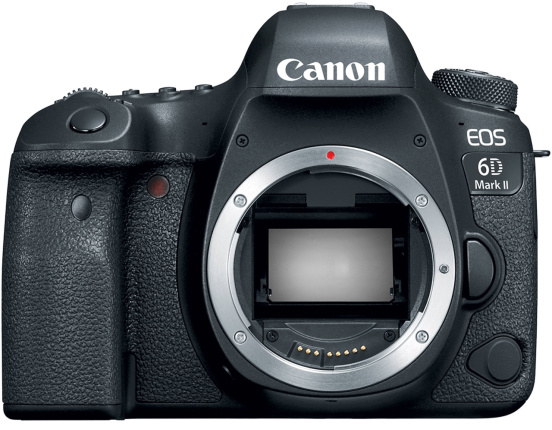
For many aspiring photographers, the leap to a full-frame camera is a significant milestone. The Canon EOS 6D series has long been celebrated as the most accessible entry point into this world, offering incredible image quality without the prohibitive price tag of professional models. The original Canon EOS 6D became a classic, beloved for its simplicity and low-light performance. Its successor, the Canon EOS 6D Mark II, aimed to modernize the formula with significant upgrades to autofocus and usability. This comprehensive guide dissects both cameras, providing a detailed, head-to-head comparison to help you determine which of these full-frame DSLRs is the perfect fit for your creative needs and budget.
The Classic Pioneer: Canon EOS 6D Deep Dive
Launched as Canon’s most affordable full-frame DSLR, the EOS 6D quickly carved out a niche for itself. It was designed for enthusiasts ready to move beyond APS-C sensors, offering the rich colors, shallow depth of field, and superior low-light capabilities that full-frame is known for. While it lacks some of the advanced features of its contemporaries, its core strength lies in its exceptional image output, which remains impressive even years after its release.
Core Specifications and Features
The heart of the Canon 6D is its 20.2-megapixel full-frame CMOS sensor paired with the DIGIC 5+ image processor. This combination was engineered to deliver high-resolution images with excellent detail and low noise, especially at higher ISO settings. Its native ISO range of 100-25600, expandable to 50-102400, made it a formidable tool for low-light situations like event photography and astrophotography. At the time of its release, it was also one of the first DSLRs to integrate both Wi-Fi and GPS, allowing for seamless image transfer and geotagging without external accessories—a feature that was ahead of its time.
Image Quality and Low-Light Performance
The primary reason for the 6D’s enduring popularity is its image quality. The 20.2 MP sensor produces files with beautiful color rendition, characteristic of Canon cameras, and sufficient detail for large prints. However, its true advantage is in low-light scenarios. The larger pixels on the full-frame sensor gather more light, resulting in cleaner images at high ISOs compared to crop-sensor cameras. For photographers focusing on portraits, landscapes, and available-light shooting, the 6D delivers a professional look and feel that holds up remarkably well.
Autofocus System: The Key Limitation
The most significant compromise on the Canon 6D is its autofocus system. It features a basic 11-point AF system with only the central point being a more sensitive cross-type sensor. This means that while the center point is accurate and reliable, the outer points can struggle, especially in low-contrast or dimly lit environments. This system requires a “focus and recompose” technique for off-center subjects, which can be slow for action, sports, or fast-moving subjects. For static subjects like portraits and landscapes, it is perfectly adequate, but it is undoubtedly the camera’s most dated feature.
Build, Ergonomics, and Connectivity
The 6D features a robust build with a magnesium alloy top and rear plate, offering a degree of weather sealing. It is relatively lightweight and compact for a full-frame DSLR, making it a comfortable camera for all-day shooting or travel. The control layout is simple and intuitive, closely resembling Canon’s other consumer-level DSLRs, which makes for a smooth transition for users upgrading within the Canon ecosystem. The fixed 3.0-inch LCD screen is bright and clear, but it lacks touch functionality.

The Modern Successor: Canon EOS 6D Mark II In-Depth Review
The Canon EOS 6D Mark II was a long-awaited update, designed to address the shortcomings of the original while enhancing its strengths. It was built for a new generation of creators, offering a more versatile and user-friendly experience for both stills and video. The Mark II is a far more flexible tool, capable of handling a wider range of shooting scenarios with greater speed and precision.
Upgraded Specifications: What’s New?
The Mark II boasts a new 26.2-megapixel full-frame CMOS sensor and an upgraded DIGIC 7 image processor. This provides a noticeable bump in resolution and improved processing speed, allowing for a faster continuous shooting rate of 6.5 frames per second (up from 4.5 fps on the 6D). The native ISO range was also expanded to 100-40000, further enhancing its low-light capabilities. The most significant hardware change, however, was the introduction of a fully articulating, vari-angle touchscreen.
The Power of Dual Pixel AF and the Vari-Angle Screen
The single greatest advancement in the 6D Mark II is its autofocus system. Through the optical viewfinder, it features a 45-point all cross-type AF system, which is a massive leap from the 11-point system of the original. This provides far better coverage across the frame and dramatically improves tracking performance for moving subjects. Furthermore, the Mark II incorporates Canon’s renowned Dual Pixel CMOS AF for Live View shooting. This technology provides fast, smooth, and accurate autofocus when using the LCD screen, making it exceptional for video recording and composing shots at creative angles with the new vari-angle screen. This combination transforms the camera from a stills-centric device into a true hybrid shooter.
Sensor Performance and Dynamic Range
While the 26.2 MP sensor offers more resolution, discussions around its dynamic range were prominent at its launch. While it may not match some competitors in its ability to recover extreme shadow detail from RAW files, it still produces excellent, high-quality images with beautiful colors and well-controlled noise. For the vast majority of users, including portrait, wedding, and travel photographers, the sensor performance is more than sufficient for professional results.
Video Capabilities and Limitations
The 6D Mark II significantly improves upon the original’s video features. It can shoot 1080p Full HD video at up to 60fps, allowing for smooth slow-motion effects. The combination of Dual Pixel AF and the vari-angle touchscreen makes pulling focus and filming incredibly intuitive. However, the camera’s most notable omission is the lack of 4K video recording. While a disappointment for serious videographers, its Full HD video quality, coupled with excellent autofocus, remains a powerful tool for content creators and hybrid shooters.

Head-to-Head Comparison: 6D vs. 6D Mark II
Placing these two cameras side-by-side reveals a clear evolution in technology and design philosophy. While both offer a gateway to full-frame photography, their feature sets cater to different user needs and priorities. The Mark II is not just an incremental update; it is a fundamental rethinking of what an entry-level full-frame camera should be.
Key Specification Showdown
A direct comparison of the core specifications highlights the generational gap between the two models. The Mark II leads in nearly every technical category, from resolution and autofocus to screen technology and shooting speed.
| Feature | Canon EOS 6D | Canon EOS 6D Mark II |
|---|---|---|
| Sensor | 20.2 MP Full-Frame CMOS | 26.2 MP Full-Frame CMOS |
| Image Processor | DIGIC 5+ | DIGIC 7 |
| Viewfinder AF System | 11-point (1 cross-type) | 45-point (all cross-type) |
| Live View AF System | Contrast Detection | Dual Pixel CMOS AF |
| ISO Range (Native) | 100 – 25,600 | 100 – 40,000 |
| Max Continuous Shooting | 4.5 fps | 6.5 fps |
| LCD Screen | 3.0″ Fixed, Non-touch | 3.0″ Vari-Angle, Touchscreen |
| Video Resolution | 1080p up to 30fps | 1080p up to 60fps |
| Connectivity | Wi-Fi, GPS | Wi-Fi, NFC, Bluetooth, GPS |
Autofocus Performance: A Generational Leap
The difference in autofocus is the most critical distinction. The 6D’s 11-point system is functional for static subjects but feels dated and limiting for anything dynamic. The 6D Mark II’s 45-point all cross-type system is vastly superior for viewfinder shooting, offering better frame coverage and subject tracking. The inclusion of Dual Pixel AF for live view and video is a game-changer, making the Mark II a far more capable and intuitive camera for modern hybrid shooting styles.
Usability and Handling: The Ergonomic Evolution
The 6D Mark II is a more user-friendly camera, largely thanks to its vari-angle touchscreen. This feature revolutionizes composition, allowing for easy shooting from high or low angles, and makes menu navigation and image review much faster. The touch-to-focus and touch-shutter capabilities in Live View simplify the photographic process, especially for those transitioning from smartphones. While the original 6D has solid, classic ergonomics, the Mark II’s added flexibility makes it more adaptable to a wider variety of creative tasks.

Who Should Buy Which Camera Today?
Even with newer mirrorless options available, both the 6D and 6D Mark II remain relevant choices, particularly on the used market. The decision between them hinges entirely on your specific needs, shooting style, and budget.
The Case for the Canon EOS 6D: The Budget Full-Frame Champion
The original Canon 6D is the ideal choice for:
- The Budget-Conscious Beginner: If your primary goal is to achieve the full-frame “look” with beautiful image quality for the lowest possible price, the 6D is unbeatable.
- Landscape and Portrait Photographers: For genres where the subject is relatively static, the limitations of the autofocus system are less of a concern. The image quality is the star here.
- Natural Light Enthusiasts: Its excellent low-light performance makes it a fantastic tool for photographers who prefer working with available light.
The Case for the Canon EOS 6D Mark II: The Versatile Modern Hybrid
The Canon 6D Mark II is the better option for:
- Hybrid Shooters: If you shoot both photos and video, the Dual Pixel AF and vari-angle screen make the Mark II a vastly superior and more enjoyable tool.
- Event and Family Photographers: The much-improved autofocus system is better equipped to capture moving subjects like children or guests at an event.
- Content Creators and Vloggers: The flip-out screen is perfect for self-recording, and the reliable video autofocus ensures your shots are consistently sharp.
- Those Needing More Flexibility: The combination of a better AF system, faster burst rate, and articulating screen makes the Mark II a more versatile camera that can adapt to almost any situation.

Conclusion: Choosing Your Full-Frame Entry Point
The Canon EOS 6D and 6D Mark II represent two different eras of DSLR technology, yet both successfully fulfill their purpose of making full-frame photography accessible. The original Canon 6D is a pure photographer’s tool; it’s a simple, reliable camera that produces stunning images, provided you can work within the constraints of its autofocus system. It remains one of the best value propositions for entering the full-frame world. The Canon 6D Mark II is a comprehensive upgrade that brings the series into the modern age. It is a far more versatile and capable camera, with an autofocus system and feature set that empower creators to tackle a much broader range of subjects and mediums. Your choice is clear: if budget is the absolute priority and your focus is on static photography, the 6D is a classic that won’t disappoint. If you need a flexible, all-around performer for both stills and video with a modern, user-friendly interface, the extra investment for the 6D Mark II is undoubtedly worth it.

Frequently Asked Questions (FAQ)
- Is the Canon 6D still a good camera today?
- Absolutely. For photographers focused on genres like landscape, portrait, or architectural photography, the image quality from its 20.2 MP full-frame sensor is still excellent. Its primary limitation is its basic 11-point autofocus system, which is not ideal for fast-moving subjects. As a budget-friendly entry into full-frame photography, it offers incredible value.
- What is the biggest advantage of the 6D Mark II over the original 6D?
- The single biggest advantage is the autofocus system. The 6D Mark II features a 45-point all cross-type system for viewfinder shooting and, more importantly, Canon’s Dual Pixel CMOS AF for live view and video. This, combined with the vari-angle touchscreen, makes it a much faster, more flexible, and more versatile camera for both photos and video.
- Does the Canon 6D Mark II shoot 4K video?
- No, the Canon 6D Mark II does not shoot 4K video. It tops out at 1080p (Full HD) resolution at up to 60 frames per second. While the lack of 4K was a point of criticism at its launch, its 1080p quality is excellent, and the Dual Pixel AF makes it a very capable video camera for many applications.
- Is the image quality difference between the 6D and 6D Mark II significant?
- The 6D Mark II offers a higher resolution (26.2 MP vs 20.2 MP), which allows for slightly more detail and cropping flexibility. However, in terms of overall image quality, color science, and low-light performance, both cameras are excellent. The original 6D is still highly regarded for its beautiful image output. The difference is noticeable in a direct comparison but may not be a deciding factor for many users unless they require the extra resolution.
- Which camera is better for a beginner, the 6D or 6D Mark II?
- For a complete beginner, the 6D Mark II is generally the better choice if the budget allows. Its advanced autofocus system is more forgiving, the vari-angle touchscreen is more intuitive for those accustomed to smartphones, and its overall versatility will allow a new photographer to explore various types of photography and videography more easily. The original 6D is a great learning tool but has a steeper learning curve due to its limited AF.