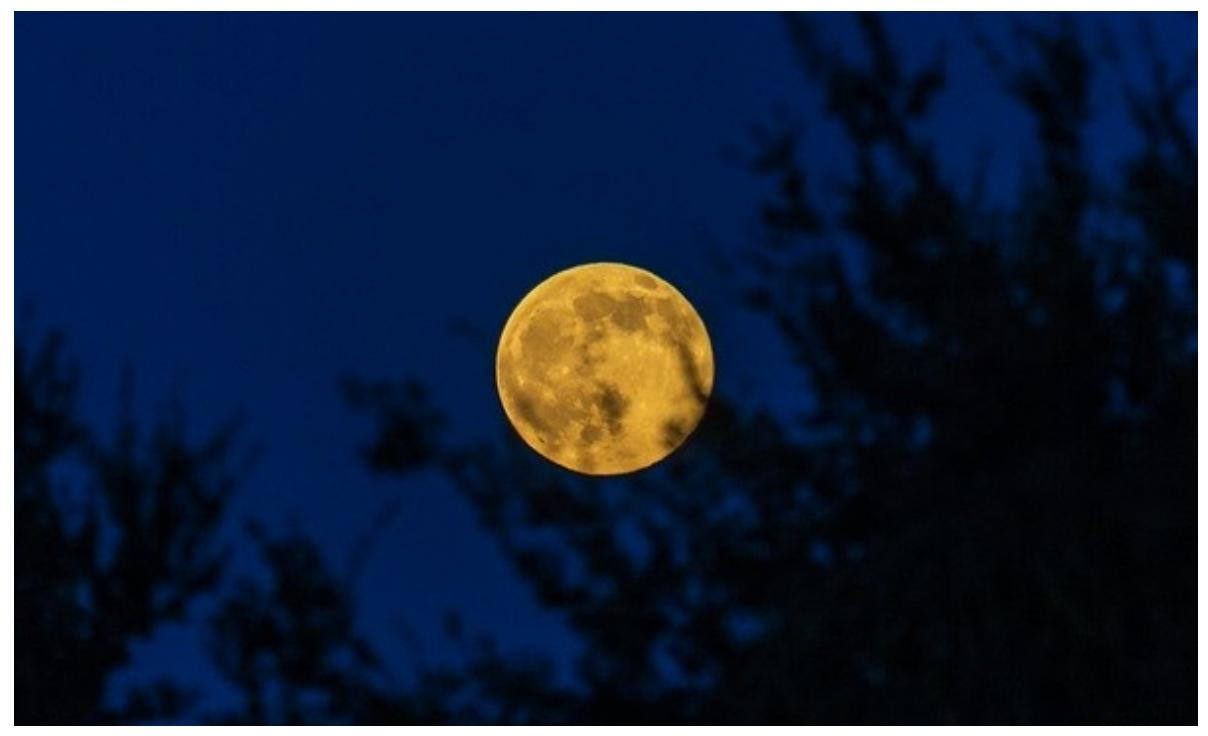
Here’s a schedule of 2025 full moons and their traditional names. A full moon occurs when Earth is between the Sun and Moon, fully illuminating the side of the Moon facing us. As the Moon orbits Earth, changing angles of sunlight create different phases.
2025 Full Moon Schedule and Names
- January 13, Monday — 5:27 PM — Wolf Moon
- February 12, Wednesday — 8:53 AM — Snow Moon
- March 14, Friday — 2:55 AM — Worm Moon
- April 12, Saturday — 8:22 PM — Pink Moon
- May 12, Monday — 12:56 PM — Flower Moon
- June 11, Wednesday — 3:44 AM — Strawberry Moon
- July 10, Thursday — 4:37 PM — Buck Moon
- August 9, Saturday — 3:55 AM — Sturgeon Moon
- September 7, Sunday — 2:09 PM — Corn Moon
- October 6, Monday — 11:48 PM — Hunter’s Moon
- November 5, Wednesday — 8:19 AM — Beaver Moon
- December 4, Thursday — 6:14 PM — Cold Moon
Lunar Phases
Phases include: new moon, waxing crescent, first quarter, waxing gibbous, full moon, waning gibbous, last quarter, waning crescent. The period between one full moon and the next is called a synodic month, lasting about 29.5 days.
Though a full moon technically occurs only when Earth, Moon, and Sun align perfectly, the Moon appears full to the naked eye for roughly three days.
Special Names for Full Moons
Various terms identify specific full moons or timing, rooted in cultural, agricultural, and natural observations to track seasons and time.
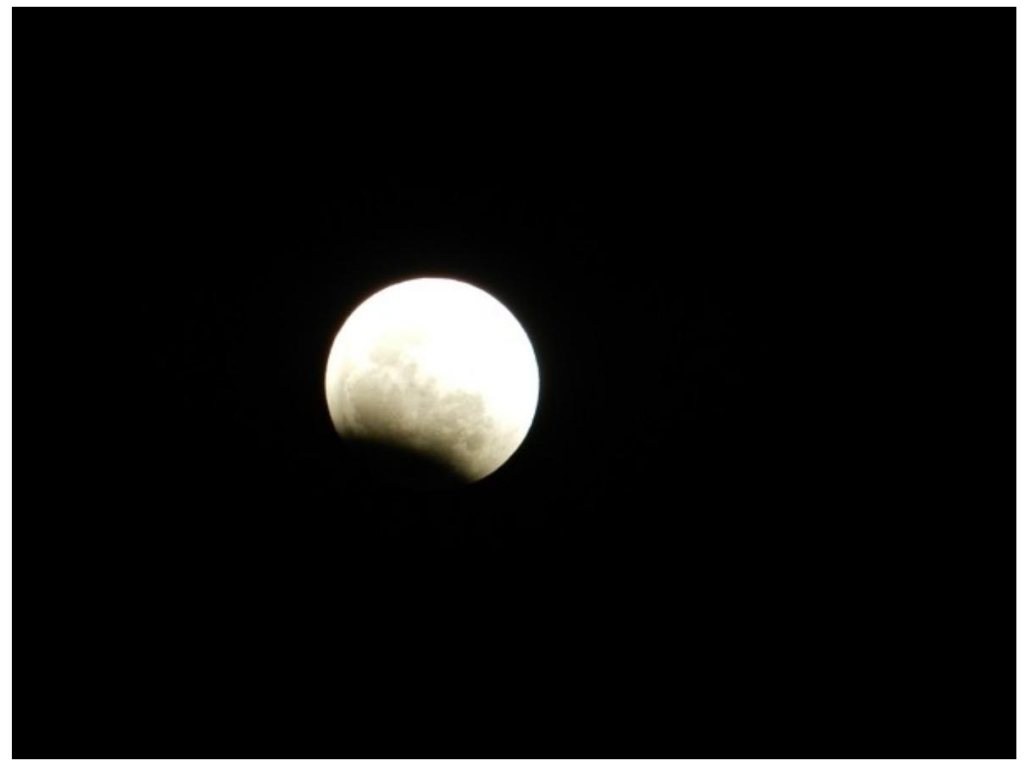
Nearly every month’s full moon has a name from Native American, colonial American, or other North American traditions, reflecting seasonal changes and natural events:
- Wolf Moon (January): Inspired by the howls of hungry wolves.
- Snow Moon (February): Signifies frequent heavy snow.
- Worm Moon (March): Named for earthworms emerging as the ground thaws.
- Pink Moon (April): Honors blooming pink wildflowers.
- Flower Moon (May): Celebrates widespread flowering.
- Strawberry Moon (June): Marks peak strawberry harvest.
- Buck Moon (July): Notes the growth of new antlers on bucks.
- Sturgeon Moon (August): Named for abundant sturgeon.
- Corn Moon (September): Signals corn harvest time.
- Hunter’s Moon (October): Commemorates pre-winter hunting.
- Beaver Moon (November): Reflects beavers busy building winter dams.
- Cold Moon (December): Evokes winter chill.
Other full moon terms commonly heard in public discourse:
- Supermoon: A full moon at perigee (the Moon’s closest point to Earth in its orbit), making it unusually large and bright. To qualify, the full moon must be within about 90% of its closest distance to Earth.
- Blue Moon: The second full moon in a calendar month, occurring roughly every 2.7 years. Despite the name, it’s not literally blue—rare atmospheric conditions (e.g., recent volcanic eruptions) might tint the Moon blue, but this is unrelated to the term.
- Harvest Moon: Usually appearing around the autumnal equinox (often in September), known for its orange hue. It rises at sunset and sets at sunrise, providing extended bright moonlight—historically vital for farmers harvesting crops.
Common Questions About Full Moons
What’s the difference between a full moon and a new moon? A full moon occurs when Earth is between the Sun and Moon, fully illuminating the Moon’s face. Conversely, a new moon occurs when the Moon is between the Sun and Earth, with its dark side facing us.
How do full moons affect tides? The Moon’s gravitational pull causes ocean bulges, creating tides. During full and new moons, the Sun, Earth, and Moon align, producing “spring tides”—unusually high or low tides—due to combined gravitational forces.