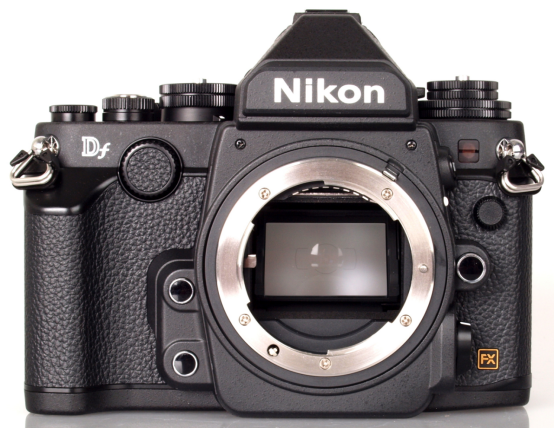
In the rapidly evolving landscape of digital photography, Nikon has carved out a unique niche by blending nostalgic aesthetics with contemporary imaging technology. This “Heritage Design” movement isn’t merely about looks; it represents a fundamental shift in how photographers interact with their equipment. By prioritizing tactile feedback through mechanical dials and classic silhouettes, Nikon caters to a demographic that values the process of photography as much as the final image. This guide explores the three pillars of Nikon’s retro revival: the full-frame DSLR Nikon Df, the APS-C mirrorless Nikon Zfc, and the high-performance full-frame mirrorless Nikon Zf.
The Evolution of Nikon Heritage Design
Nikon’s journey into retro-digital design began with a bold statement: the Nikon Df. Released in 2013, the Df was a rebellion against the “Swiss Army Knife” approach to camera design. At a time when video capabilities were becoming standard, Nikon stripped them away entirely in the Df to focus on what they called “Pure Photography.” This philosophy was rooted in the legendary Nikon F series of film cameras, emphasizing the tactile connection between the photographer and the light.
The Shift from DSLR to Mirrorless
The transition to the Z-mount system allowed Nikon to refine this retro concept. The Nikon Zfc brought the aesthetic of the FM2 to a broader audience, utilizing the advantages of mirrorless technology such as a shorter flange distance and more compact body. Finally, the Nikon Zf arrived as the spiritual successor to both the Df and the classic film bodies, proving that a camera can possess professional-grade internal components while maintaining a timeless exterior. The evolution highlights a move from niche enthusiast tools to mainstream powerhouses that do not compromise on modern features like autofocus and stabilization.

Nikon Df: The Soul Rebellion of Pure Photography
The Nikon Df remains one of the most controversial and beloved cameras in the company’s history. It was designed for those who grew up with the FM or FE series and missed the physical sensation of turning a shutter speed dial or adjusting ISO via a dedicated locking knob. The Df is a full-frame DSLR that houses the legendary 16.2-megapixel sensor from the flagship Nikon D4, known for its exceptional low-light performance and organic “film-like” rendering.
Mechanical Mastery and Compatibility
One of the Df’s greatest strengths is its collapsible metering coupling lever. This unique feature allows the camera to mount and meter with vintage non-AI lenses without any modification, a feat most modern Nikon DSLRs cannot achieve. This makes the Df the ultimate digital back for collectors of vintage glass. The body is constructed from magnesium alloy, providing a weather-sealed, robust feel that justifies its premium positioning. However, the Df intentionally lacks video recording capabilities and a built-in flash, reinforcing its identity as a tool dedicated solely to the art of the still image.
- Sensor: 16.2MP Full-Frame CMOS (shared with Nikon D4).
- Build: Magnesium alloy with mechanical dials for ISO, Shutter Speed, and Exposure Compensation.
- Lens Support: Native F-mount with full support for AI and non-AI lenses.

Nikon Zfc: Modern Technology Meets Classic Style
The Nikon Zfc was the catalyst that brought the retro aesthetic into the mirrorless era. Designed primarily for content creators and hobbyists who value style, the Zfc is an APS-C (DX-format) camera that mirrors the iconic FM2 film camera. It offers a lightweight, compact form factor that makes it an ideal travel companion. Unlike the Df, the Zfc embraces modern requirements, featuring a fully articulating touchscreen and robust 4K video capabilities.
Accessibility and Customization
The Zfc is not just a camera; it is a fashion statement. Nikon offered the Zfc in multiple leatherette colors, allowing users to personalize their gear. Despite its plastic-and-magnesium hybrid construction, the Zfc maintains the tactile experience with dedicated aluminum dials. It serves as an entry point into the Nikon Z system, offering 20.9 megapixels of resolution and eye-detection autofocus that works for both humans and animals. While it lacks internal body image stabilization (IBIS), it relies on VR-equipped lenses to keep shots steady.
- Sensor: 20.9MP APS-C CMOS.
- Video: 4K UHD up to 30p with no crop.
- Display: 3.0-inch vari-angle touchscreen, perfect for vlogging and high/low angle shots.

Nikon Zf: The Ultimate Fusion of Performance and Aesthetics
The Nikon Zf is the camera many enthusiasts had been waiting for since the Df’s release. It bridges the gap between the “pure photography” ethos and the demands of high-end professional work. Built around a 24.5-megapixel full-frame sensor and the powerful EXPEED 7 processor, the Zf is essentially a Nikon Z6 II or Z8 in a vintage skin. It features brass dials that will “brass” over time, developing a unique patina through use, much like a classic film body.
Cutting-Edge Mirrorless Performance
Technologically, the Zf introduces several “firsts” for Nikon. It is the first Nikon camera to feature Focus Point VR, which links the 5-axis in-body image stabilization to the active focus point rather than just the center of the frame, resulting in significantly sharper images in challenging light. It also features a dedicated Black and White (B&W) lever, allowing photographers to instantly switch to a high-contrast monochrome mode, further emphasizing the artistic roots of the heritage line. With 3D-tracking autofocus and up to 30 fps burst shooting, the Zf is as capable on a professional set as it is at a weekend street photography session.

Comprehensive Technical Comparison
To understand which retro Nikon fits your workflow, a direct comparison of their core specifications is essential. While they share a similar design language, their internal capabilities vary significantly based on the era of their release and their intended target audience.
| Feature | Nikon Df | Nikon Zfc | Nikon Zf |
|---|---|---|---|
| Sensor Type | Full-Frame (FX) | APS-C (DX) | Full-Frame (FX) |
| Resolution | 16.2 Megapixels | 20.9 Megapixels | 24.5 Megapixels |
| Processor | EXPEED 3 | EXPEED 6 | EXPEED 7 |
| Stabilization | None | Lens-based (VR) | 8-stop 5-axis IBIS |
| Autofocus | 39-point Phase Detect | 209-point Hybrid | 299-point with AI |
| Video | N/A | 4K 30p | 4K 60p / 10-bit |

Choosing the Right Nikon Retro Camera
The decision between these three models depends heavily on your photographic style and existing lens collection. The Nikon Df is increasingly becoming a collector’s item. It is the perfect choice for the purist who owns a vast array of vintage F-mount lenses and has no interest in video. Its sensor is legendary for a reason, providing a look that many modern sensors struggle to replicate.
The Nikon Zfc is the ideal entry point for those moving up from a smartphone or looking for a stylish everyday carry camera. Its vari-angle screen and compact size make it excellent for social media content creation and travel photography. However, serious landscape or professional portrait photographers might find the APS-C sensor and lack of IBIS limiting.
The Nikon Zf is the most balanced and powerful option. It is a professional tool disguised as a vintage masterpiece. If you require top-tier autofocus, high-speed performance, and excellent video capabilities but refuse to carry a generic-looking modern mirrorless body, the Zf is the unrivaled choice. Its build quality, featuring brass dials and a magnesium alloy chassis, ensures it will last for decades.

Frequently Asked Questions (FAQ)
- Q1: Can I use my old Nikon manual focus lenses on the Zf and Zfc?
- Yes, you can use almost any F-mount lens on the Zf and Zfc using the FTZ or FTZ II adapter. While you won’t get autofocus on manual lenses, the mirrorless systems provide excellent manual focus aids like focus peaking and the ability to zoom in through the electronic viewfinder to ensure critical sharpness.
- Q2: Why does the Nikon Df not have video capabilities?
- Nikon intentionally omitted video from the Df to focus on the “Pure Photography” concept. This allowed them to simplify the interface and internal processing, catering specifically to photographers who felt modern cameras were becoming too cluttered with non-photographic features.
- Q3: Is the Nikon Zf weather-sealed?
- Yes, the Nikon Zf features comprehensive weather sealing, making it resistant to dust and moisture. It is built to the same professional standards as the Nikon Z8, allowing it to be used in challenging outdoor environments.
- Q4: What is the benefit of the brass dials on the Nikon Zf?
- Beyond the premium tactile feel, brass dials are more durable than plastic or aluminum. Over years of use, the black paint on the edges of the dials will wear away, revealing the gold-colored brass underneath. This “brassing” is highly sought after by camera enthusiasts as it gives the camera a unique, aged character.
- Q5: Does the Nikon Zfc support external microphones?
- Yes, the Nikon Zfc includes a 3.5mm microphone jack, making it a capable tool for vloggers and videographers who need high-quality audio to match its 4K video output.