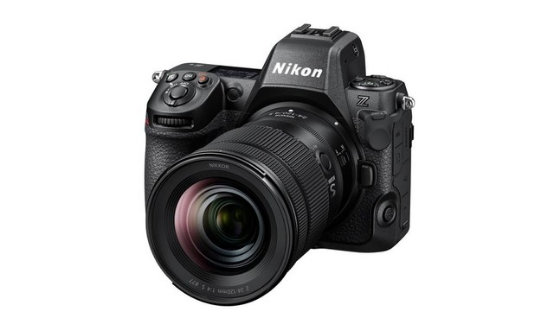
Nikon’s entry into the professional mirrorless camera market has been nothing short of revolutionary, spearheaded by two formidable contenders: the Nikon Z8 and the Nikon Z9. These cameras aren’t just incremental upgrades; they represent a bold statement of technological prowess, designed to meet the rigorous demands of professional photographers and videographers across diverse genres. While both share a common DNA rooted in groundbreaking innovation and a commitment to optical excellence, they carve out distinct niches within the flagship segment. Understanding their core philosophies, shared capabilities, and nuanced differences is crucial for any professional seeking the ultimate tool to elevate their craft.
This comprehensive guide will dissect the capabilities of both the Z8 and Z9, providing an in-depth analysis of their shared technologies, unique selling points, and the specific applications where each camera truly shines. From high-speed action to cinematic video, we’ll explore how these mirrorless titans redefine expectations and empower creators.
Nikon Z8: Flagship Performance in a Compact Form Factor
The Nikon Z8 emerges as a compelling proposition for professionals who demand the cutting-edge performance of a flagship camera without the bulk and weight typically associated with such powerhouses. Often referred to as a “mini Z9,” the Z8 meticulously distills the core technological advancements of its larger sibling into a significantly more portable and agile body. This strategic design choice makes it an ideal companion for a wide array of demanding shooting scenarios, from fast-paced events and dynamic wildlife photography to extensive travel assignments and run-and-gun videography.
Shared Core Technologies: The Heart of the Z8
At the very core of the Nikon Z8’s capabilities lies a direct inheritance from the Z9, ensuring that users experience uncompromising speed and image fidelity. This includes:
- Stacked 45.7MP CMOS Sensor: The Z8 features the identical 45.7-megapixel full-frame stacked CMOS sensor found in the Z9. This revolutionary sensor design allows for incredibly fast readout speeds, virtually eliminating rolling shutter distortion, even during rapid panning or while capturing high-speed action. The high resolution ensures exceptional detail retention, offering significant cropping flexibility for post-production workflows.
- EXPEED 7 Image Processor: Paired with the advanced sensor is Nikon’s powerful EXPEED 7 image processor. This engine is responsible for the camera’s blistering operational speed, rapid autofocus calculations, sophisticated noise reduction, and the ability to handle massive data streams for high-resolution stills and video simultaneously. Its processing power underpins the Z8’s ability to keep pace with the most demanding professional tasks.
- Advanced Autofocus System: The Z8 boasts the same sophisticated 493-point phase-detection autofocus system as the Z9, featuring advanced deep-learning technology. This system offers unparalleled subject detection capabilities, recognizing and tracking a vast array of subjects including humans, animals (dogs, cats, birds), vehicles (cars, motorcycles, bicycles, planes, trains), and even specific parts like eyes and faces. Its reliability and tenacity in tracking fast-moving subjects across the frame are critical for capturing decisive moments.
Design and Ergonomics for Portability
While sharing internal components, the Z8 differentiates itself significantly in its physical design. It foregoes the integrated vertical grip of the Z9, resulting in a camera body that is approximately 30% smaller and 20% lighter. This reduction in size and weight is a critical factor for professionals who prioritize mobility and discretion. Despite its compact stature, the Z8 maintains a robust, weather-sealed construction, offering professional-grade durability against dust and moisture, ensuring reliability in challenging environments. The deep grip still provides comfortable and secure handling, even with larger telephoto lenses, making it a versatile choice for extended shooting sessions where fatigue is a concern.
Video Capabilities for Hybrid Creators
The Nikon Z8 is not just a stills powerhouse; it’s an equally capable video production tool, catering specifically to the burgeoning market of hybrid shooters. It inherits the Z9’s impressive video specifications, including the ability to record internal 8K UHD video at up to 60p and 4K UHD at up to 120p. Crucially, it supports 12-bit N-RAW and ProRes RAW HQ internal recording, offering immense flexibility for color grading and post-production. The camera’s advanced cooling design, while more compact than the Z9’s, still allows for extended recording times, making it a viable option for documentary filmmakers, event videographers, and content creators who require uncompromising video quality in a more manageable package.

Nikon Z9: The Uncompromising Professional Powerhouse
The Nikon Z9 stands as an undisputed titan in the professional mirrorless arena, engineered from the ground up to be an uncompromising tool for the most demanding imaging workflows. It represents Nikon’s definitive statement on what a flagship professional camera should be: a beast of speed, endurance, and reliability, designed to withstand the rigors of any assignment. The Z9 is the camera of choice for sports photographers, wildlife specialists, photojournalists, and high-end cinematographers who require absolute confidence in their equipment’s ability to perform flawlessly under extreme pressure and in challenging conditions.
Integrated Power and Endurance
A defining characteristic of the Z9 is its integrated vertical grip, which houses a significantly larger EN-EL18d battery. This design choice provides several critical advantages for professionals:
- Extended Battery Life: The larger battery capacity translates to vastly extended shooting times, a non-negotiable requirement for long events, remote wildlife expeditions, or intensive video productions where frequent battery changes are impractical or impossible. Professionals can shoot for an entire day without worrying about power depletion.
- Enhanced Ergonomics for Vertical Shooting: The integrated grip offers superior ergonomics and balanced handling when shooting in portrait orientation, mimicking the feel of traditional DSLR flagships. This ensures consistent comfort and control, reducing strain during prolonged sessions and allowing for seamless transitions between horizontal and vertical framing.
- Robust Build Quality: The Z9 features an exceptionally robust magnesium alloy chassis, offering unparalleled durability and resistance to impact. Its extensive weather sealing is designed to protect internal components from dust, moisture, and extreme temperatures, making it a reliable workhorse in the harshest environments, from humid rainforests to freezing arctic landscapes.
Unmatched Speed and Buffer Performance
Speed is paramount for the Z9, and it delivers in spades, making it the ultimate tool for capturing fleeting moments. Its combination of the stacked sensor and EXPEED 7 processor enables:
- Blistering Burst Shooting: The Z9 can capture full-resolution RAW images at 20 frames per second (fps) for over 1000 consecutive shots, and JPEGs at 30 fps. For even faster action, it can achieve an incredible 120 fps at 11-megapixel resolution. This unprecedented speed ensures that no critical moment is missed, providing a wealth of options for perfect timing.
- Blackout-Free Viewfinder: A crucial feature for action photography, the Z9’s electronic viewfinder (EVF) offers a truly blackout-free experience. This means photographers can continuously track subjects without any interruption or lag in the view, providing a seamless connection to the action unfolding before them.
- Rapid Autofocus Acquisition: Leveraging the same advanced AF system as the Z8, the Z9’s autofocus is optimized for speed and accuracy, locking onto subjects almost instantaneously and maintaining tenacious tracking, even when subjects move erratically or are obscured.
Professional Connectivity & Workflow
Designed for the professional ecosystem, the Z9 offers superior connectivity options vital for fast-paced workflows:
- Dual CFexpress Type B Slots: The camera features two CFexpress Type B card slots, providing redundant recording capabilities, extended storage, and incredibly fast data transfer speeds, essential for handling large files generated by high-resolution stills and 8K video.
- Built-in Ethernet Port: For sports and news photographers, the integrated Ethernet port is a game-changer, enabling lightning-fast wired image transfer directly to a computer or FTP server. This is critical for getting images out to clients or news desks in real-time, often within seconds of capture.
- Advanced Video Cooling: While both cameras excel in video, the Z9’s larger body and more extensive thermal management system allow for even longer continuous 8K video recording times, making it a more robust choice for dedicated video productions that require sustained, high-resolution capture without overheating concerns.

Head-to-Head: Nikon Z8 vs. Z9 Feature Comparison
While the Nikon Z8 and Z9 share a remarkable amount of core technology, their design philosophies diverge to cater to different professional requirements. Understanding these distinctions is key to making an informed decision about which camera best fits your specific workflow and shooting style. Here, we present a detailed comparison of their critical features and practical implications.
Core Imaging & Processing Parity
It is imperative to highlight that both the Z8 and Z9 are built around an identical imaging foundation. This means that in terms of raw image quality, dynamic range, high ISO performance, and the sheer speed of image processing, they are virtually indistinguishable. Both cameras feature:
- 45.7MP Stacked CMOS Sensor: Delivering exceptional detail and resolution, with the benefits of a stacked design for fast readout and minimal rolling shutter.
- EXPEED 7 Image Processor: Powering rapid calculations for autofocus, burst shooting, and advanced video codecs.
- 493-Point AF System with Deep Learning: Offering industry-leading subject detection and tracking for a wide variety of subjects, ensuring critical focus in challenging situations.
This parity ensures that regardless of which camera you choose, you are getting Nikon’s absolute best in terms of image capture and processing capabilities.
Ergonomics, Size, and Weight
This is arguably the most significant differentiator between the two models:
- Nikon Z9: Features an integrated vertical grip, giving it a larger, heavier, and more robust form factor. Its dimensions are approximately 149 x 149.5 x 90.5 mm and it weighs around 1340g (with battery and memory card). This design provides superior balance with large telephoto lenses and enhanced comfort for vertical shooting, but comes at the cost of increased portability.
- Nikon Z8: Adopts a more traditional DSLR-like body without an integrated grip, making it significantly smaller and lighter. Its dimensions are roughly 144 x 118.5 x 83 mm and it weighs about 910g (with battery and memory card). This makes the Z8 a much more agile and travel-friendly option, though it may require an optional battery grip for extended vertical shooting or better balance with very heavy lenses.
The choice here hinges entirely on your priority: maximum portability and discretion (Z8) versus integrated handling and robust presence (Z9).
Battery Life and Power Management
Due to their differing form factors, battery life is a notable divergence:
- Nikon Z9: Utilizes the larger EN-EL18d battery, which offers superior endurance for prolonged professional use. CIPA rating is typically around 700 shots, but real-world usage often yields significantly more, especially in continuous shooting scenarios. The larger battery also contributes to its ability to handle extensive 8K video recording without overheating.
- Nikon Z8: Employs the smaller EN-EL15c battery. While still capable, its CIPA rating is lower, around 340 shots. For professionals, this usually means carrying multiple spare batteries or investing in the optional MB-N12 power battery pack to match the Z9’s endurance.
For mission-critical assignments requiring maximum uptime without battery swaps, the Z9 holds a distinct advantage.
Connectivity and Storage Options
Both cameras offer robust connectivity, but the Z9 includes specific features for high-end professional workflows:
- Shared: Both feature dual CFexpress Type B card slots, ensuring high-speed data transfer and redundant recording. Both also include USB-C, HDMI, microphone, and headphone ports.
- Nikon Z9 Exclusive: The Z9 uniquely features a built-in Ethernet port. This is invaluable for sports and news photographers who need to transmit images immediately and reliably over a wired connection for real-time delivery to agencies or clients. It also boasts slightly more robust cooling for extended 8K video.
For studio-based tethered shooting or remote field operations requiring instant wired transfer, the Z9’s Ethernet port is a significant benefit.
Price Point and Value Proposition
Unsurprisingly, the Z8 is positioned as a more accessible entry into Nikon’s flagship mirrorless ecosystem:
- Nikon Z8: Generally available at a lower price point than the Z9. This makes it an attractive option for professionals who desire top-tier performance but have budget constraints or prefer to invest savings in lenses and accessories.
- Nikon Z9: Commands a premium price, reflecting its integrated professional features, extreme durability, and optimized workflow capabilities. Its value proposition is tied to its role as an ultimate, no-compromise tool for the most demanding professional environments where reliability and endurance are paramount.
The Z8 offers incredible value by delivering nearly identical core performance at a reduced cost and size, while the Z9 justifies its price with integrated professional-grade features and unparalleled robustness.

Who Should Choose Which Flagship?
Deciding between the Nikon Z8 and Z9 ultimately boils down to a careful assessment of your specific professional needs, shooting style, and priorities. While both cameras offer an elite imaging experience, their distinct ergonomic and power profiles cater to different segments of the professional market. This section will help you identify which of Nikon’s flagship mirrorless cameras is the ideal match for your demanding workflow.
Ideal Scenarios for the Nikon Z8
The Nikon Z8 is the perfect choice for professionals who require the Z9’s groundbreaking performance but prioritize portability, discretion, and a more agile form factor. Consider the Z8 if your work primarily involves:
- Hybrid Photography and Videography: If you frequently switch between high-resolution stills and professional-grade video (up to 8K 60p, N-RAW), the Z8 offers unparalleled versatility in a manageable size. Its video capabilities are virtually identical to the Z9, making it a powerful tool for content creators and filmmakers on the go.
- Wedding and Event Photography: The Z8’s lighter weight and smaller profile make it less fatiguing during long wedding days or extended event coverage. Its discreet appearance can also be an advantage in formal settings. The fast AF and burst rates ensure you capture every critical moment.
- Travel and Landscape Photography: For photographers who trek to remote locations or need to keep their gear light for international travel, the Z8’s reduced bulk is a significant advantage. It delivers flagship image quality without the physical burden.
- Wildlife and Nature Photography (Mobile): While the Z9’s battery life is superior, the Z8 still offers excellent performance for wildlife photographers who need to move quickly or handhold large telephoto lenses for extended periods. Its deep-learning AF excels at tracking animals and birds.
- Budget-Conscious Professionals: The Z8 offers a more accessible entry point into Nikon’s flagship mirrorless ecosystem, allowing professionals to allocate more of their budget towards high-quality Z-mount lenses or essential accessories.
The Z8 is for those who want Z9-level performance in a body that feels more like a traditional professional DSLR without an integrated grip, emphasizing agility and versatility.
When the Nikon Z9 is Indispensable
The Nikon Z9 is the unequivocal choice for professionals whose work demands the absolute pinnacle of endurance, reliability, and integrated features, often in high-pressure or extreme environments. Opt for the Z9 if your primary applications include:
- Sports and Action Photography: The Z9’s integrated vertical grip provides superior ergonomics for shooting in both orientations during fast-paced action. Its extended battery life is critical for covering entire sporting events without interruption, and the Ethernet port is invaluable for immediate image transmission.
- Wildlife Photography (Extreme Conditions): For extended expeditions in challenging climates, the Z9’s robust build, superior weather sealing, and massive battery capacity offer unparalleled peace of mind and operational uptime. Its integrated grip provides excellent balance with super-telephoto lenses.
- Photojournalism and News Reporting: The Z9’s ability to withstand harsh treatment, combined with its rapid image transfer capabilities via Ethernet, makes it an indispensable tool for photojournalists who need to deliver critical images under tight deadlines from any location.
- High-End Video Production: While the Z8 is excellent, the Z9’s larger body and more extensive cooling system allow for even longer continuous 8K recording, making it the preferred choice for dedicated cinematographers and videographers who require maximum thermal stability for extended takes.
- Studio and Commercial Photography (Heavy Use): For professionals who demand a robust, high-volume workhorse that can endure constant use and rapid-fire shooting in a studio environment, the Z9’s build quality and integrated power are unmatched.
The Z9 is for the professional who needs a no-compromise, all-in-one flagship camera that can tackle anything thrown its way, prioritizing ultimate reliability, speed, and integrated features above all else.

Beyond the Specs: Real-World Performance and User Experience
While specifications provide a foundational understanding of a camera’s capabilities, the true measure of a professional tool lies in its real-world performance and how it translates to the user experience. Both the Nikon Z8 and Z9 excel in practical application, largely due to their shared core technologies. However, subtle differences in their design impact how photographers and videographers interact with them day-to-day.
Image Quality and Dynamic Range
In terms of raw image output, both cameras deliver identical, class-leading results. The 45.7MP stacked CMOS sensor provides exceptional detail and clarity, making files highly adaptable for extensive post-processing. The dynamic range is superb, allowing for significant recovery of highlight and shadow detail, which is crucial for challenging lighting conditions in landscapes, portraits, and event photography. Color science is classic Nikon, producing natural and pleasing tones straight out of the camera, with ample flexibility for customization for specific creative visions. Professionals working in high-end print or large-scale digital displays will find the resolution and fidelity more than sufficient.
Low-Light Performance
Thanks to the efficient EXPEED 7 processor and the advanced sensor, both the Z8 and Z9 exhibit excellent low-light performance. They handle high ISO settings with remarkable grace, producing clean images with minimal noise even at ISO 6400 or 12800. While noise naturally increases at extreme ISOs, the grain structure is typically fine and easily manageable in post-production. The highly sensitive autofocus system also maintains its performance in dimly lit environments, ensuring accurate subject acquisition and tracking when light is scarce, which is a significant advantage for indoor sports, concerts, or night photography.
Autofocus Reliability and Precision
The shared autofocus system is a standout feature for both cameras. Its ability to consistently identify and track subjects, regardless of their movement or position in the frame, is a game-changer for many genres. The deep-learning subject detection is incredibly sticky, maintaining focus even when subjects are momentarily obscured. This translates to a significantly higher keeper rate, especially in fast-paced scenarios like sports, wildlife, or candid event photography. The precision is evident in portraiture, where eye-detection AF ensures critical sharpness on the subject’s most important feature, even with wide-open apertures.
Video Workflow Integration
For videographers, the Z8 and Z9 offer a seamless and powerful workflow. The ability to record internal 8K N-RAW or ProRes RAW HQ provides maximum flexibility in post-production, allowing for extensive color grading and manipulation. The in-body image stabilization (IBIS) works effectively to smooth out handheld footage, while advanced video features like waveform display, zebra patterns, and focus peaking aid in achieving precise exposure and focus. The Z9’s larger body may offer a slight advantage in sustained 8K recording due to better heat dissipation, but the Z8 still performs exceptionally well for most professional video applications, often being preferred for its lighter weight on gimbals or for handheld run-and-gun shooting.

Conclusion: Choosing Your Nikon Z Series Flagship
The Nikon Z8 and Z9 stand as towering achievements in the mirrorless camera landscape, each embodying Nikon’s commitment to innovation, performance, and professional excellence. Far from being competitors in the traditional sense, they represent two distinct yet equally powerful manifestations of a shared flagship vision, designed to empower photographers and videographers with tools that push creative boundaries. The decision between these two exceptional cameras is not about which one is “better” in an absolute sense, but rather which one is “better suited” to your individual professional demands, workflow, and physical preferences.
The Nikon Z8 is a testament to the idea that top-tier performance does not always require a larger-than-life footprint. It masterfully encapsulates the Z9’s most critical features—its revolutionary stacked sensor, the lightning-fast EXPEED 7 processor, and the industry-leading autofocus system—into a more compact, lightweight, and agile body. This makes the Z8 an unparalleled choice for hybrid shooters, wedding and event photographers, travel enthusiasts, and anyone who values discretion and portability without compromising on speed or image quality. It delivers approximately 90% of the Z9’s capabilities in a package that is significantly easier to carry and handle for extended periods, often at a more accessible price point.
Conversely, the Nikon Z9 remains the undisputed king of uncompromising professional robustness and endurance. Its integrated vertical grip, massive battery life, built-in Ethernet connectivity, and supremely durable construction make it the ultimate workhorse for sports, wildlife, and news photographers operating in the most demanding and unpredictable environments. For professionals whose assignments require relentless speed, absolute reliability, and the ability to transmit images instantly from the field, the Z9’s integrated features and formidable presence are simply indispensable. It is the camera you choose when failure is not an option, and every integrated feature contributes to a seamless, high-volume professional workflow.
Ultimately, both the Z8 and Z9 represent the pinnacle of Nikon’s mirrorless technology. Your choice should be guided by a thorough evaluation of your primary shooting scenarios, the importance of weight and size, your need for integrated power and connectivity, and your budget. Whether you opt for the agile powerhouse of the Z8 or the unyielding beast of the Z9, you are investing in a camera that will undoubtedly elevate your professional imaging capabilities to new heights.
Frequently Asked Questions (FAQ)
- Q1: What are the main differences between the Nikon Z8 and Z9?
- The primary differences lie in their physical design, battery
Independent gear note: Camera, lens, and brand names are used for identification and comparison only. Moon Station is not affiliated with, sponsored by, endorsed by, or authorized by the mentioned manufacturers or rights holders. Confirm current specifications, compatibility, warranties, and prices with official or qualified sources before purchasing equipment.