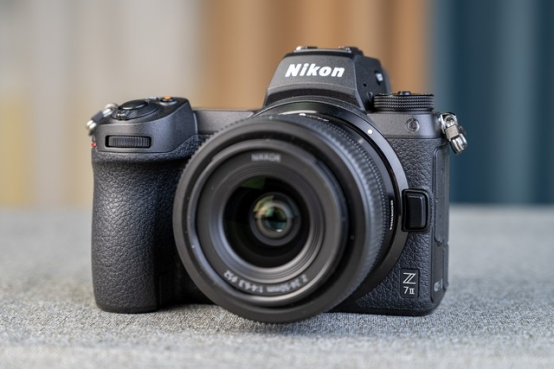
The transition from traditional Digital Single-Lens Reflex (DSLR) systems to mirrorless technology marked a pivotal moment in the history of professional photography. At the forefront of this revolution was Nikon’s Z-series, specifically the high-resolution “7” line. Designed to meet the demands of landscape, architectural, and studio photographers, the Nikon Z7 and its successor, the Nikon Z7 II, represent the pinnacle of optical engineering. These cameras are not merely tools but sophisticated imaging computers capable of rendering textures and details that were previously the exclusive domain of medium-format systems.
Introduction to the Nikon Z-Series High-Resolution Philosophy
When Nikon unveiled the Z-mount, it wasn’t just launching a new camera body; it was introducing a wider diameter and shorter flange distance that allowed for unprecedented lens designs. The Z7 was the first flagship to showcase this potential, packing a massive 45.7-megapixel sensor into a compact, weather-sealed body. The philosophy behind the Z7 series is simple: uncompromising image quality without the bulk of a heavy DSLR like the D850.
The Impact of the Large Z-Mount
The 55mm internal diameter of the Z-mount is significantly larger than the legacy F-mount. This allows more light to reach the corners of the sensor, reducing vignetting and enabling the creation of ultra-fast lenses like the Noct 58mm f/0.95. For the Z7 and Z7 II, this translates to sharper images from edge to edge, which is critical for high-resolution landscape work where corner-to-corner detail is paramount.
Target Audience and Professional Use Cases
The Z7 series is specifically engineered for photographers who prioritize resolution over raw speed. While the Z9 and Z8 handle sports and wildlife, the Z7 and Z7 II are the preferred choices for:
- Landscape Photography: Utilizing the base ISO of 64 for maximum dynamic range.
- Commercial and Fashion: Capturing intricate fabric textures and high-end skin details.
- Fine Art Printing: Producing large-scale prints that maintain clarity even when viewed up close.

Core Specifications and Sensor Performance: The 45.7MP Powerhouse
At the heart of both the Nikon Z7 and Z7 II lies a 45.7-megapixel Back-Illuminated (BSI) CMOS sensor. This sensor is unique because it lacks an optical low-pass filter (OLPF), ensuring that the camera captures the absolute maximum amount of fine detail possible. By removing the filter that traditionally blurs light to prevent moiré, Nikon allows the Z7 series to resolve even the finest patterns in nature and architecture.
Dynamic Range and ISO 64
One of the most significant advantages of the Z7 series is its ability to drop to a native ISO of 64. Unlike cameras that use “extended” ISOs which can degrade quality, the native ISO 64 on the Z7 and Z7 II provides a cleaner signal and wider dynamic range. This is particularly useful for landscape photographers who need to recover details from deep shadows or bright highlights in high-contrast scenes.
| Feature | Nikon Z7 | Nikon Z7 II |
|---|---|---|
| Sensor Resolution | 45.7 MP BSI CMOS | 45.7 MP BSI CMOS |
| Processor | Single EXPEED 6 | Dual EXPEED 6 |
| Native ISO | 64 – 25,600 | 64 – 25,600 |
| Max Burst Rate | 9 fps | 10 fps |
| Card Slots | 1x XQD/CFexpress | 1x CFexpress + 1x SD (UHS-II) |
| Video Resolution | 4K 30p | 4K 60p |

Evolutionary Leap: What Sets the Z7 II Apart from the Original Z7?
While the Z7 was a revolutionary first step, the Z7 II is a refined evolution that addresses the feedback from professional users. The most significant internal change is the move from a single EXPEED 6 image processor to a Dual EXPEED 6 system. This doubling of processing power affects almost every aspect of the camera’s operation, from autofocus speed to buffer capacity.
Enhanced Buffer and Continuous Shooting
The original Z7 often struggled with buffer clearing during intense shooting sessions. The Z7 II solves this with a buffer that is approximately 3.5 times larger. This allows photographers to capture up to 77 12-bit uncompressed RAW files in a single burst at 10 frames per second. For studio photographers working with fast-moving models, this means fewer interruptions and more “keeper” shots.
The Dual Card Slot Solution
Perhaps the most requested hardware update was the addition of a second card slot. The Z7 II features one slot for high-speed CFexpress (Type B) or XQD cards, and a second slot for standard SD (UHS-II) cards. This provides professionals with critical “overflow” storage, “backup” recording (writing to both cards simultaneously), or the ability to separate RAW and JPEG files across different media.

Professional Handling and Build Quality: Designed for the Elements
Nikon has long been praised for its ergonomics, and the Z7 series carries this legacy into the mirrorless era. Both cameras feature a deep, comfortable grip that allows for secure handling even when using large telephoto lenses. The chassis is constructed from magnesium alloy, providing a robust and durable frame that remains lightweight.
Weather Sealing and Durability
The Z7 and Z7 II are built to the same weather-sealing standards as the legendary D850. Every joint, button, and dial is protected by specialized seals to prevent the ingress of dust and moisture. Whether you are shooting in a misty rainforest or a dusty desert, these cameras are designed to operate reliably in harsh environments. The shutter mechanism is also tested for 200,000 cycles, ensuring years of professional use.
In-Body Image Stabilization (IBIS)
Both models feature a highly effective 5-axis In-Body Image Stabilization system. This system provides up to 5 stops of vibration reduction, allowing photographers to shoot handheld at much slower shutter speeds than would otherwise be possible. Crucially, when using an FTZ adapter with older F-mount lenses, the IBIS system still provides 3-axis stabilization, breathing new life into vintage glass.

Advanced Video Capabilities for Modern Content Creators
In addition to being world-class stills cameras, the Z7 and Z7 II are formidable video tools. The Z7 II, in particular, pushes the boundaries by offering 4K video at 60p, providing smooth slow-motion footage at high resolutions. This is a significant upgrade over the 30p limit found on the original Z7.
Professional Video Workflows
For cinematographers, the Z7 series offers several high-end features that ensure the footage is broadcast-ready:
- 10-bit N-Log: Captures a flat profile with 12 stops of dynamic range, allowing for extensive color grading in post-production.
- HDR (HLG) Support: Enables the recording of footage ready for immediate playback on HDR-compatible displays.
- External RAW Video: With a paid firmware upgrade, both cameras can output ProRes RAW or Blackmagic RAW to an external recorder like an Atomos Ninja V.

Lens Ecosystem: Maximizing the Potential of the Z-Mount
A camera body is only as good as the glass in front of it. The NIKKOR Z lens lineup has expanded rapidly, offering some of the highest-performing optics ever produced by Nikon. For the Z7 series, certain “S-Line” lenses are essential to resolve the full 45.7MP resolution.
Essential S-Line Lenses for High Resolution
To get the most out of your Z7 or Z7 II, consider these primary lenses:
- NIKKOR Z 24-70mm f/2.8 S: The versatile workhorse for almost any scenario, offering incredible sharpness across the zoom range.
- NIKKOR Z 14-24mm f/2.8 S: The ultimate wide-angle lens for landscape and architectural photography, significantly lighter than its F-mount predecessor.
- NIKKOR Z 85mm f/1.8 S: A portrait lens that provides exquisite bokeh and extreme detail, perfect for commercial beauty work.

Choosing the Right Model: Practical Buying Advice for Photographers
Deciding between the Nikon Z7 and the Nikon Z7 II depends largely on your specific workflow and budget. Because they share the same sensor, the static image quality is virtually identical. However, the operational differences are significant for certain types of work.
When to Choose the Nikon Z7
The original Z7 remains an incredible value on the used or refurbished market. It is the ideal choice for dedicated landscape photographers who primarily shoot on a tripod and do not require dual card slots or high-speed burst shooting. If your subjects don’t move and you have time to wait for the buffer to clear, the Z7 provides flagship image quality for a fraction of the price.
When to Upgrade to the Nikon Z7 II
The Z7 II is the clear choice for working professionals. The dual card slots provide peace of mind for weddings and events where data loss is not an option. Furthermore, the improved autofocus algorithms (including Eye-Detection and Animal-Detection in Wide-Area AF modes) and the 4K 60p video capabilities make it a much more versatile “hybrid” tool for modern creators who must switch between stills and video seamlessly.
Frequently Asked Questions (FAQ)
- Q1: Can I use my old Nikon DSLR lenses on the Z7 and Z7 II?
- Yes, by using the Nikon FTZ or FTZ II Mount Adapter, you can use hundreds of F-mount lenses. AF-S, AF-P, and AF-I lenses will have full autofocus capabilities, while older manual lenses will benefit from the camera’s focus peaking and IBIS features.
- Q2: Is the battery life sufficient for a full day of shooting?
- The Z7 II uses the EN-EL15c battery, which offers improved capacity over the EN-EL15b used in the Z7. While mirrorless cameras consume more power than DSLRs due to the electronic viewfinder, most photographers find that 2-3 batteries are sufficient for a heavy day of shooting. The Z7 II also supports USB-C power delivery while the camera is in use.
- Q3: How does the autofocus performance compare to the D850?
- The Z7 II’s autofocus is more accurate than the D850 because the AF points are located directly on the sensor, eliminating back-focus or front-focus issues. While the D850 might still have a slight edge in 3D tracking for extreme sports, the Z7 II is superior for portraits and general photography due to its Eye-Detection features.
- Q4: Does the Z7 II overheat during 4K 60p video recording?
- Nikon has optimized the thermal management in the Z7 II. While all cameras can generate heat during high-resolution video recording, the Z7 II is very stable and can typically record for its maximum 29-minute limit without shutting down in standard ambient temperatures.
- Q5: Is 45.7 megapixels too much for everyday use?
- High resolution provides the flexibility to crop images significantly without losing quality. However, it does result in larger file sizes (approx. 50-60MB per RAW file). To manage this, you’ll need high-capacity memory cards and a computer with sufficient processing power and storage for editing.