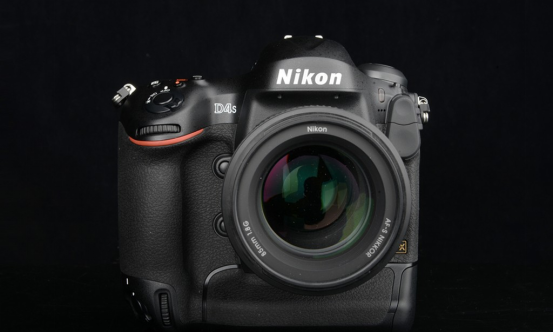
The landscape of professional photography has been irrevocably shaped by a select few cameras that transcended mere tools to become legendary instruments of creation. Among these, Nikon’s D-series professional DSLRs—specifically the Nikon D3, Nikon D3s, and Nikon D4s—stand as monumental pillars. These cameras weren’t just iterations; they were declarations of faith in imaging, pushing boundaries of speed, low-light performance, and reliability that redefined what professionals expected from their gear. This comprehensive guide meticulously reconstructs the journey of these iconic “faith machines,” detailing their individual breakthroughs and collective impact on the art and industry of photography.
Nikon D3: Redefining Professional Photography
The launch of the Nikon D3 in August 2007 was nothing short of a revolution, fundamentally altering the trajectory of professional digital photography. Before the D3, many professionals felt that digital cameras struggled to match the full-frame aesthetic and low-light prowess of 35mm film. The D3 shattered these perceptions, introducing Nikon’s first full-frame (FX-format) sensor, which delivered unparalleled image quality and a distinct advantage in depth of field and wide-angle performance. This wasn’t just a new camera; it was the birth of a generation of “faith machines” that instilled unwavering confidence in photographers.
The Birth of a Full-Frame Legend
Nikon’s decision to embrace the FX format with the D3 was a strategic masterstroke. This 12.1-megapixel sensor, while seemingly modest by today’s standards, was engineered for absolute image fidelity, particularly in challenging light. The larger sensor area meant larger photosites, translating directly into superior light-gathering capabilities and significantly reduced noise at higher ISO settings. This was a direct response to the demands of photojournalists, sports photographers, and wedding photographers who often worked in unpredictable, dimly lit environments.
- FX-Format Sensor: The D3 introduced Nikon’s full-frame (FX) CMOS sensor, a pivotal shift that delivered exceptional image quality, wider dynamic range, and better performance in low light compared to previous DX-format professional cameras. This allowed for shallower depth of field and a more “film-like” aesthetic.
- Groundbreaking ISO Performance: With a native ISO range of 200-6400, expandable to 25600 (Hi 2), the D3 offered unprecedented flexibility for shooting in low-light conditions without flash. This capability fundamentally changed how photographers approached indoor sports, concerts, and nighttime events, enabling cleaner images with more detail than ever before.
- Advanced Autofocus System: Featuring the new Multi-CAM 3500FX autofocus sensor module with 51 AF points (15 of which were cross-type), the D3 provided incredibly fast and accurate focusing. This system was highly configurable, allowing photographers to track fast-moving subjects with remarkable precision, a critical feature for action and wildlife photography.
- Robust Build and Ergonomics: Encased in a durable magnesium-alloy body, the D3 was built to withstand the rigors of professional use in harsh environments. Its ergonomic design, with intuitive controls and a comfortable grip, ensured that photographers could operate it effectively for extended periods, even in demanding situations.
Impact on Professional Photography
The D3 didn’t just offer specifications; it delivered results that empowered photographers. Its ability to produce clean images at ISO 3200 or 6400 meant that photographers could capture decisive moments without compromising image quality or relying heavily on artificial lighting. This freedom sparked new creative possibilities and elevated the standard for professional imagery across various genres. It fostered a deep sense of “faith” among its users, knowing that their equipment would perform reliably when it mattered most.

Nikon D3s: Elevating Low-Light Performance and Versatility
Building upon the D3’s revolutionary foundation, the Nikon D3s, released in October 2009, cemented its predecessor’s legacy while pushing the boundaries of low-light imaging even further. Often hailed as the “veteran” that taught us the true faith of imaging, the D3s wasn’t a complete overhaul but a significant refinement, focusing on enhancing the D3’s strengths and adding crucial new capabilities, most notably in video recording.
Evolution in Low-Light Mastery
The D3s took the D3’s already impressive high-ISO performance and elevated it to an entirely new level. Nikon engineers refined the FX sensor and image processing engine to achieve an astonishing native ISO range of 200-12800, expandable to an unprecedented 102400 (Hi 3). This leap allowed photographers to capture usable images in conditions previously thought impossible for digital cameras, opening up a world of creative opportunities in extremely dim environments.
- Unmatched High ISO: The D3s set a new benchmark for high-ISO performance, delivering remarkably clean files at ISO 12800 and even pushing usable results at ISO 25600 and beyond. This made it an indispensable tool for photojournalists, concert photographers, and anyone working in extremely challenging lighting conditions.
- Integrated HD Video Recording: A major addition was the inclusion of 720p HD D-Movie recording. While not as advanced as later video-centric cameras, this feature was a significant step for a professional DSLR, allowing photographers to capture both stills and video with a single, high-performance body. This versatility broadened the scope of assignments a professional could undertake.
- Enhanced Buffer and Speed: The D3s maintained the D3’s impressive 9 frames per second (fps) continuous shooting speed (11 fps in DX crop mode) but boasted an increased buffer capacity, allowing for longer bursts of high-quality images. This was crucial for sports and action photographers who needed to capture extended sequences of fast-moving subjects.
- Self-Cleaning Sensor: Addressing a common concern among professionals, the D3s introduced an integrated sensor cleaning system, helping to keep dust off the sensor and reduce post-processing time.
The Veteran’s Enduring Appeal
The D3s quickly became a beloved workhorse for professionals worldwide. Its combination of rugged reliability, exceptional low-light capabilities, and the added versatility of video made it a go-to camera for a wide array of demanding assignments. It solidified the “faith” that Nikon’s professional DSLRs were not just competitive but often leading the pack in critical performance areas, proving that a truly great camera could evolve and adapt to new demands while retaining its core strengths.

Nikon D4s: The Pinnacle of Speed, Precision, and Professional Trust
Released in February 2014, the Nikon D4s represented the culmination of Nikon’s professional DSLR design philosophy, building on the strengths of the D3 and D3s to deliver a camera optimized for ultimate speed, precision, and unwavering reliability. It was a machine crafted for those who demanded the absolute best in high-stakes environments, embodying the “power of light and shadow” with speed, warmth, and profound professional faith.
Refined Performance and Unmatched Speed
The D4s was engineered for peak performance, especially in scenarios where milliseconds matter. While maintaining a similar 16.2-megapixel FX-format sensor to its predecessor (the D4), the D4s featured a new EXPEED 4 image processing engine that delivered significant improvements in speed, noise reduction, and overall image quality. It was about optimizing every aspect of the photographic process to ensure the highest success rate for professionals.
- Blazing Fast Continuous Shooting: The D4s boasted an impressive 11 frames per second (fps) with full AF/AE tracking, a critical advantage for sports, wildlife, and news photographers. This sustained speed, combined with a robust buffer, meant fewer missed moments and more keepers.
- Enhanced Autofocus System: The Multi-CAM 3500FX AF system was further refined, introducing the new Group Area AF mode. This mode allowed for five AF points to be used as a single unit, improving subject detection and tracking, especially for erratic subjects or in busy backgrounds. The D4s also offered faster AF acquisition and improved performance in low light down to -2 EV.
- Expanded ISO Range: While the D3s pushed boundaries, the D4s refined high-ISO performance, offering a native ISO range of 100-25600, expandable to an incredible 409600 (Hi 4). This provided even greater flexibility and cleaner files at extreme sensitivities, pushing the limits of available light photography.
- Improved Ergonomics and Control: Subtle but significant ergonomic tweaks were made, including a redesigned grip and button layout for better handling during long shoots. A new Gigabit Ethernet port offered faster wired data transfer, crucial for photojournalists on deadline.
- Full HD Video Capabilities: The D4s offered enhanced Full HD (1080p) video recording at up to 60p, with improved control over settings like aperture and ISO during recording, making it a more capable tool for videographers.
The “Warmth” and Professional Trust
Beyond raw specifications, the D4s was lauded for its nuanced image quality—often described as having a certain “warmth” in its color rendition and subtle tonality. This, combined with its rock-solid reliability and incredible speed, made it a camera that professionals trusted implicitly. It wasn’t just a tool; it was an extension of the photographer’s vision, delivering consistent, top-tier results under the most demanding conditions, reinforcing the deep “professional faith” in Nikon’s engineering.

The Enduring Impact and Shared Legacy of Nikon’s D-Series
The Nikon D3, D3s, and D4s collectively represent a golden era for professional DSLRs, leaving an indelible mark on the photographic industry. Their shared legacy is built on a foundation of innovation, reliability, and an unwavering commitment to meeting the rigorous demands of professional photographers. These cameras were not just products; they were instruments that empowered creativity and pushed the boundaries of what was possible in various photographic disciplines.
Common Threads of Excellence
Despite their individual advancements, a few core principles remained consistent across these generations, cementing their status as “faith machines”:
- Uncompromising Build Quality: All three cameras featured robust, weather-sealed magnesium-alloy bodies, designed to withstand extreme conditions, from dusty deserts to freezing tundras. This durability ensured that professionals could rely on their gear in any environment.
- Exceptional Image Quality: Each iteration refined the art of image capture, from the D3’s groundbreaking FX sensor to the D4s’s nuanced color science and incredible high-ISO performance. The emphasis was always on delivering clean, detailed files with excellent dynamic range, suitable for demanding clients and large prints.
- Professional-Grade Autofocus: Nikon’s Multi-CAM 3500FX AF system, continually refined, provided industry-leading speed and accuracy. The ability to lock onto and track fast-moving subjects with precision was a hallmark feature that gave photographers a decisive edge.
- Intuitive Ergonomics: Despite their complexity, these cameras were designed with the photographer in mind. Thoughtful button placement, comfortable grips, and customizable controls ensured that the user experience was fluid and efficient, even under pressure.
- Reliability and Longevity: These cameras were built to last, often serving professionals for many years, enduring countless clicks and challenging assignments. Their longevity speaks volumes about Nikon’s engineering and the trust photographers placed in them.
Shaping the Future of Photography
The innovations introduced by the D3, D3s, and D4s had a profound ripple effect on subsequent camera designs, both within Nikon’s own lineup and across the industry. Their advancements in full-frame sensor technology, high-ISO capabilities, robust autofocus, and integrated video recording became benchmarks that other manufacturers strived to match or surpass. They demonstrated the power of a dedicated professional tool, one that prioritized performance and reliability above all else.
Even in an era increasingly dominated by mirrorless technology, the legacy of these Nikon DSLRs endures. They represent a pinnacle of photographic engineering, machines that empowered a generation of professionals to capture history, artistry, and truth, solidifying their place as true icons of imaging.
Conclusion: A Testament to Imaging Excellence
The Nikon D3, D3s, and D4s are more than just cameras; they are chapters in the history of professional photography. From the D3’s revolutionary full-frame introduction and groundbreaking low-light capabilities, through the D3s’s expanded ISO range and entry into video, to the D4s’s ultimate refinement of speed and precision, each model built upon the strengths of its predecessor to deliver an unparalleled photographic experience. They instilled “faith” in photographers, proving that with the right tools, the power of light and shadow could be harnessed to capture moments with unwavering clarity and impact. Their legacy is a testament to Nikon’s commitment to professional imaging and continues to inspire camera design and photographic ambition today.
Frequently Asked Questions (FAQ)
- Q1: What made the Nikon D3 so revolutionary compared to previous professional DSLRs?
- The Nikon D3 was revolutionary primarily for introducing Nikon’s first full-frame (FX-format) sensor, which significantly improved image quality, dynamic range, and low-light performance compared to the crop-sensor (DX-format) professional cameras that preceded it. It also featured an advanced 51-point autofocus system and robust build quality, setting a new standard for professional digital photography.
- Q2: How did the Nikon D3s improve upon the D3, especially in low light?
- The Nikon D3s built upon the D3’s foundation by significantly enhancing its high-ISO performance, pushing the usable ISO range to an unprecedented 102400. This allowed for even cleaner images in extremely low-light conditions. Additionally, the D3s introduced 720p HD video recording, adding crucial versatility for professionals who needed to capture both stills and motion.
- Q3: What were the key advancements in speed and autofocus with the Nikon D4s?
- The Nikon D4s prioritized speed and precision, offering an impressive 11 frames per second (fps) continuous shooting with full AF/AE tracking. Its Multi-CAM 3500FX autofocus system was refined with the introduction of Group Area AF mode, which improved subject detection and tracking accuracy, especially for erratic subjects or in complex environments. Faster AF acquisition and improved low-light AF performance were also key enhancements.
- Q4: Why are these cameras often referred to as “faith machines” or embodying “professional faith”?
- These cameras earned the moniker “faith machines” because they consistently delivered exceptional performance and reliability under the most demanding professional conditions. Photographers developed immense trust, or “faith,” in their ability to capture critical moments with high image quality, robust autofocus, and durable construction, allowing them to focus on their creative vision without worrying about equipment limitations.
- Q5: Do these older Nikon DSLRs still hold relevance in today’s mirrorless dominated market?
- While mirrorless cameras now dominate the market, the Nikon D3, D3s, and D4s still hold relevance, particularly for photographers who value their exceptional build quality, robust ergonomics, and proven reliability. Their full-frame sensors still produce excellent image quality, and their powerful autofocus systems remain highly capable for many types of photography. They are also often available at more accessible price points, making them excellent choices for those seeking professional-grade performance on a budget.