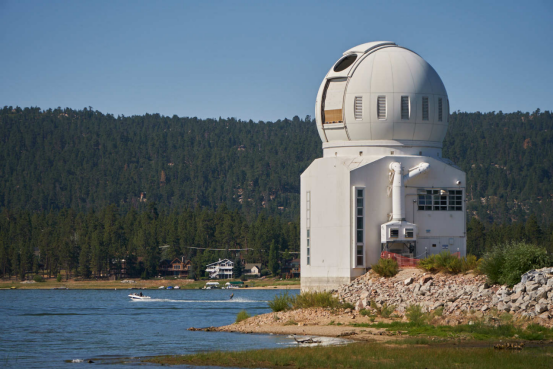
Next-Generation Solar Telescopes: Unraveling the Mystery of Solar Atmospheric Heating
Understanding the Sun’s atmosphere, particularly the processes driving its extreme temperatures, has long been a paramount goal in solar physics. The solar corona, the outermost layer of the Sun’s atmosphere, is millions of degrees hotter than the Sun’s visible surface, a phenomenon that defies simple thermodynamic explanations. This enigmatic temperature gradient has spurred the development of sophisticated, next-generation solar telescopes designed to probe these extreme environments with unprecedented detail. These advanced instruments are crucial for unraveling the mystery of solar atmospheric heating, a key to comprehending space weather and its impact on Earth.
Traditional solar observations, while valuable, often struggle to capture the dynamic and complex processes occurring in the Sun’s upper atmosphere. The development of new observational techniques and more sensitive detectors has opened new avenues for research. These telescopes are equipped with advanced imaging capabilities, enabling them to observe phenomena across a wider spectrum of electromagnetic radiation, from radio waves to X-rays and gamma rays. Furthermore, they are designed to achieve higher spatial and temporal resolutions, allowing scientists to witness the intricate details of solar events as they unfold, such as the formation and propagation of plasma waves, the reconnection of magnetic field lines, and the acceleration of particles.
Key advancements include instruments capable of measuring magnetic fields with greater accuracy and sensitivity, crucial for understanding how magnetic energy is stored, released, and converted into heat. Spectroscopic instruments are also being refined to analyze the composition and velocity of solar plasma, providing vital clues about the energy transport mechanisms at play. By combining data from multiple wavelengths and instruments, scientists aim to construct a comprehensive picture of the solar atmosphere, moving beyond theoretical models to empirical evidence gathered by these cutting-edge observatories.
Advanced Imaging and Spectroscopic Capabilities
Next-generation solar telescopes are revolutionizing our ability to observe the Sun’s atmosphere through enhanced imaging and spectroscopic capabilities. These instruments are designed to capture phenomena with remarkable clarity, offering insights into the fine structures and rapid dynamics of solar phenomena. For instance, instruments like the Coronal Multi-Channel Polarimeter (CoMP) provide measurements of the temperature, density, and velocity of the solar corona, enabling scientists to map the flow of energy and plasma. Other advanced telescopes utilize techniques such as interferometry to achieve extremely high spatial resolution, allowing for the observation of structures on scales of tens of kilometers on the Sun’s surface and in its atmosphere.
Spectroscopy plays a pivotal role in these new observatories. By dispersing light into its constituent wavelengths, spectroscopes reveal the chemical composition, temperature, and density of the solar plasma. Advanced spectrographs on these new telescopes can capture high-resolution spectra across a broad range of wavelengths, including ultraviolet and X-ray emissions that originate from the hotter regions of the solar atmosphere. This detailed spectral information is essential for identifying the specific physical processes responsible for heating the corona, such as the deposition of energy by Alfvén waves or magnetic reconnection events.
Probing the Solar Corona with Novel Technologies
The challenge of understanding solar atmospheric heating is being tackled with novel technologies integrated into new generations of solar telescopes. These technologies include advanced detectors, sophisticated data processing algorithms, and innovative optical designs. For example, the development of new types of sensors, such as advanced CMOS or CCD detectors, significantly improves the sensitivity and speed of data acquisition. This allows for the capture of fleeting solar events with greater fidelity.
Furthermore, the use of adaptive optics, similar to those employed in ground-based astronomy, is being explored for some solar instruments to counteract the blurring effects of Earth’s atmosphere, providing sharper images of the Sun. In the realm of space-based observatories, the design of instruments is optimized for the harsh space environment, ensuring durability and continuous operation. The integration of machine learning and artificial intelligence is also becoming increasingly important for analyzing the vast datasets generated by these telescopes, helping to identify patterns and anomalies that might be missed by human analysis.
Understanding Solar Wind and Coronal Mass Ejections
The study of solar atmospheric heating is intrinsically linked to the understanding of the solar wind and coronal mass ejections (CMEs). The solar wind, a continuous stream of charged particles emanating from the Sun, is accelerated in the corona, and its properties are a direct consequence of the heating processes occurring there. Similarly, CMEs, massive eruptions of plasma and magnetic field from the Sun’s corona, represent extreme releases of energy that are also rooted in the complex physics of the solar atmosphere.
Next-generation telescopes are equipped to observe the entire process from the initiation of CMEs in the corona to their propagation through interplanetary space. By providing detailed observations of the magnetic field structure, plasma density, and particle acceleration within these events, these instruments help scientists to model and predict their behavior. This is critical for understanding their potential impact on Earth, including space weather events that can disrupt satellite operations, power grids, and communication systems. The ability to observe these phenomena from multiple vantage points, often using coordinated observations from different spacecraft, further enhances our understanding of their three-dimensional structure and evolution.

A Study on the Historical Connection Between Sunspot Minimum Periods and Earth’s Little Ice Age
The relationship between solar activity, specifically sunspot cycles, and Earth’s climate has been a subject of intense scientific inquiry for centuries. Historical data and paleoclimate records suggest a compelling correlation between periods of reduced solar activity, characterized by minimal sunspots, and colder climatic episodes on Earth, most notably the Little Ice Age. This connection highlights the Sun’s profound influence on our planet’s long-term climatic patterns, extending beyond short-term weather fluctuations.
The Sun’s energy output is not constant; it varies in an approximately 11-year cycle, known as the solar cycle, marked by fluctuations in the number of sunspots. Sunspots are temporary phenomena on the Sun’s photosphere that appear as dark spots cooler than surrounding areas. Periods of low sunspot activity, often referred to as solar minima or grand minima, are associated with a slight decrease in the Sun’s total solar irradiance (TSI), the total amount of solar energy reaching the top of Earth’s atmosphere. While this reduction in TSI may seem small, over extended periods, it can have significant cumulative effects on Earth’s climate system.
The Little Ice Age, a period of cooling that occurred roughly between the 14th and 19th centuries, is a prime example of such a climatic event. During this era, Europe and North America experienced colder temperatures, glaciers advanced, and agricultural productivity declined. Historical records indicate that several prolonged periods of extremely low sunspot activity, such as the Maunder Minimum (1645-1715) and the Dalton Minimum (1790-1830), coincided with the coldest phases of the Little Ice Age. This temporal correlation strongly suggests that reduced solar output played a significant role in driving these global cooling trends.
The Maunder Minimum and its Climatic Impact
The Maunder Minimum, a period from approximately 1645 to 1715, is perhaps the most extensively studied example of a prolonged solar minimum. During this time, observations by astronomers revealed an almost complete absence of sunspots on the Sun’s surface. This stark contrast to the regular appearance of sunspots in other periods indicates a significant reduction in solar magnetic activity. Scientific consensus suggests that this period of solar quiescence was a major contributing factor to the unusually cold temperatures experienced across Europe and other parts of the world during what is known as the “Little Ice Age.”
The impact of the Maunder Minimum on Earth’s climate is thought to have been mediated by a subtle decrease in the Sun’s total solar irradiance (TSI). While the exact percentage reduction in TSI during the Maunder Minimum is still debated, estimates suggest it could have been around 0.1% to 0.2%. Although this may seem minuscule, over decades, such a reduction can lead to a measurable cooling effect on a global scale. Climate models indicate that this slight decrease in solar energy input, when combined with other natural climate forcings such as volcanic activity, could have been sufficient to trigger and sustain the colder conditions characteristic of the Little Ice Age.
Further evidence for the link comes from paleoclimate proxies, such as tree rings and ice cores, which record past climate conditions. These proxies show a significant cooling trend during the Maunder Minimum period, consistent with the historical accounts. The study of the Maunder Minimum provides a crucial historical case study, demonstrating the Sun’s capacity to influence Earth’s climate over decadal to centennial timescales.
The Dalton Minimum and Subsequent Cooling
Following the Maunder Minimum, the Dalton Minimum, occurring roughly between 1790 and 1830, also represents a period of significantly reduced solar activity. While not as extreme as the Maunder Minimum, this period was characterized by a noticeable decrease in sunspot numbers and solar irradiance. Historical records from this time also indicate cooler temperatures and more frequent extreme weather events in various regions of the globe, further solidifying the connection between low solar activity and colder climates.
The Dalton Minimum is often considered a transitional period between the more severe cooling of the Maunder Minimum and the gradual warming trend that began in the 20th century. Its study provides further evidence that even moderate reductions in solar output can have discernible impacts on regional and global climate patterns. The persistence of these cooler conditions during periods of low solar activity underscores the sensitivity of Earth’s climate system to variations in solar energy input.
Mechanisms of Solar Influence on Climate
While the correlation between sunspot minima and cooler periods on Earth is evident, the precise mechanisms by which solar activity influences climate are complex and still under investigation. The most direct mechanism is the variation in Total Solar Irradiance (TSI). A slight decrease in TSI during solar minima means less solar energy reaches Earth, leading to a cooling effect. However, the magnitude of this change in TSI is relatively small, leading scientists to explore other potential amplification mechanisms.
One proposed mechanism involves the modulation of cosmic rays. During periods of high solar activity, the Sun’s magnetic field is stronger, deflecting more cosmic rays from reaching Earth. Cosmic rays are thought to play a role in cloud formation. During solar minima, with a weaker solar magnetic field, more cosmic rays can penetrate Earth’s atmosphere, potentially leading to increased cloud cover. Increased cloud cover can reflect more sunlight back into space, thus contributing to cooling. Another area of research focuses on the Sun’s influence on atmospheric circulation patterns and the stratosphere, which could indirectly affect surface temperatures.

Solar Neutrino Detection: A Window into Stellar Core Nuclear Fusion
The Sun, a colossal nuclear fusion reactor, powers our solar system by converting hydrogen into helium in its core. This process, known as nuclear fusion, releases an immense amount of energy, a portion of which is carried to Earth as light and heat. However, a significant byproduct of this fusion process is the emission of neutrinos, elusive subatomic particles that interact very weakly with matter. The detection of these solar neutrinos provides scientists with a unique and direct “window” into the Sun’s core, allowing them to study the conditions and processes of stellar nuclear fusion in situ, a feat impossible through direct observation.
Neutrinos are produced in abundance during the proton-proton (p-p) chain reaction, the primary fusion process in stars like our Sun. For every fusion event that occurs in the Sun’s core, one or more neutrinos are generated. These particles travel outwards from the core at nearly the speed of light, passing through the dense solar plasma and the entire Earth with virtually no interaction. This remarkable property makes them invaluable messengers from the Sun’s deepest, most inaccessible regions. By capturing and analyzing these neutrinos, astrophysicists can verify theoretical models of stellar evolution and nuclear physics with unprecedented accuracy.
The challenge in detecting solar neutrinos lies in their weak interaction with matter. This requires massive, highly sensitive detectors located deep underground to shield them from other cosmic rays and background radiation. These detectors, often filled with large volumes of specialized liquids or crystals, are designed to register the rare occasions when a neutrino does interact with an atom, producing a detectable signal. The study of solar neutrinos has not only confirmed our understanding of nuclear fusion but has also led to groundbreaking discoveries in particle physics, such as the phenomenon of neutrino oscillation.
The Proton-Proton (p-p) Chain Reaction
The Sun generates its energy primarily through the proton-proton (p-p) chain reaction, a series of nuclear fusion steps that ultimately convert four hydrogen nuclei (protons) into one helium nucleus. This process is the bedrock of stellar nucleosynthesis in stars of the Sun’s mass and type. Understanding the p-p chain is crucial for comprehending the Sun’s energy output, its lifespan, and the production of solar neutrinos.
The p-p chain consists of several stages. The first and rate-limiting step involves two protons fusing to form a deuterium nucleus, releasing a positron and an electron neutrino. This step is incredibly rare, occurring only about 10^38 times per second in the Sun’s core. Subsequent steps involve the fusion of deuterium with another proton to form helium-3, and finally, the fusion of two helium-3 nuclei to produce a stable helium-4 nucleus, releasing two protons and a significant amount of energy in the form of gamma rays and kinetic energy of the particles. The neutrinos produced in the initial steps are the primary targets for solar neutrino detection experiments.
Challenges in Neutrino Detection
Detecting solar neutrinos is an exceptionally challenging endeavor due to their fundamental properties. Neutrinos interact only via the weak nuclear force and gravity, making them incredibly difficult to capture. The cross-section for neutrino interaction with matter is exceedingly small, meaning that a vast number of neutrinos must pass through a detector for even a single interaction to occur. To overcome this, solar neutrino detectors are designed to be massive, often containing thousands of tons of detection material.
Furthermore, the flux of neutrinos reaching Earth from the Sun, while enormous, is diluted by distance. To isolate the faint signals of solar neutrinos from background noise, these detectors are typically located deep underground. This depth provides crucial shielding from cosmic rays, which are high-energy particles originating from outer space that can mimic neutrino signals. Experiments like the Sudbury Neutrino Observatory (SNO) and Super-Kamiokande have employed vast volumes of ultrapure water or heavy water, respectively, along with sensitive photomultiplier tubes, to detect the Cherenkov radiation produced when a neutrino interacts with an atom in the detector medium.
The Solar Neutrino Problem and Neutrino Oscillations
For decades, a significant discrepancy existed between the number of neutrinos predicted by solar models and the number actually detected by early experiments. This “solar neutrino problem” puzzled physicists and astronomers, raising questions about our understanding of nuclear fusion in the Sun or the nature of neutrinos themselves. Early experiments, such as the Homestake experiment, consistently detected only about one-third of the expected electron neutrinos.
The resolution to the solar neutrino problem came with the discovery of neutrino oscillations. This phenomenon, confirmed by experiments like SNO, demonstrates that neutrinos are not massless and can change their “flavor” as they travel. The p-p chain produces electron neutrinos, but as they travel from the Sun’s core to Earth, some of these electron neutrinos transform into muon and tau neutrinos, which were not detected by the earlier experiments. The detection of all three neutrino flavors by SNO, for example, provided strong evidence for neutrino oscillation and confirmed the accuracy of solar models. This discovery not only solved the solar neutrino problem but also revolutionized particle physics, confirming that neutrinos have mass and opening new avenues for research into the fundamental properties of matter.

Early Warning Systems for Coronal Mass Ejections and Earth’s Power Grid Protection Strategies
The Sun, while essential for life on Earth, also poses potential threats in the form of energetic events like Coronal Mass Ejections (CMEs). CMEs are massive bursts of plasma and magnetic field that erupt from the Sun’s corona, capable of traveling at speeds of hundreds or even thousands of kilometers per second. When directed towards Earth, CMEs can trigger geomagnetic storms, which can have significant impacts on our technological infrastructure, particularly power grids. The development and implementation of robust early warning systems are therefore critical for mitigating the disruptive effects of these solar phenomena and for developing effective protection strategies.
Space weather forecasting relies on a network of ground-based and space-based observatories that monitor the Sun’s activity. Satellites such as the Solar Dynamics Observatory (SDO) and the Solar and Heliospheric Observatory (SOHO) continuously observe the Sun, detecting CMEs as they erupt and tracking their trajectory. These observations provide crucial data for predicting whether a CME will impact Earth and the potential intensity of the resulting geomagnetic storm. Early warning systems leverage this data to provide timely alerts to grid operators, enabling them to take protective measures before the storm reaches Earth.
The impact of a severe geomagnetic storm on power grids can be catastrophic. Induced currents, known as Geomagnetically Induced Currents (GICs), can flow through long conductors like transmission lines and pipelines. In power grids, GICs can overload transformers, leading to voltage instability, equipment damage, and widespread blackouts. Therefore, proactive measures, informed by early warnings, are essential to safeguard these critical infrastructures.
Monitoring Solar Activity for CME Detection
The detection of Coronal Mass Ejections (CMEs) and the assessment of their potential threat to Earth rely on a sophisticated array of solar monitoring instruments. Space-based observatories play a pivotal role in this early warning process. Instruments like the coronagraphs on SOHO and the Large Angle and Spectrometric Coronagraph (LASCO) are designed to block out the bright light of the Sun’s disk, allowing scientists to observe the faint outer corona and detect the outward expansion of plasma characteristic of CMEs.
Additionally, instruments that measure the Sun’s magnetic field, such as magnetographs, help in identifying regions of instability on the Sun’s surface that are prone to eruptive events. The Solar Dynamics Observatory (SDO) provides high-resolution, continuous imagery of the Sun in various wavelengths, offering detailed views of solar flares and the initial stages of CME development. By analyzing the speed, mass, and magnetic field orientation of a CME, scientists can estimate its trajectory and its potential to cause a geomagnetic storm on Earth.
Predicting Geomagnetic Storms and Their Intensity
Once a CME is detected and its trajectory is determined, the next critical step is to predict the likelihood and intensity of a geomagnetic storm. This prediction process involves complex modeling that considers various factors. The speed and density of the CME plasma, as well as the orientation of its embedded magnetic field (specifically, the southward component of the interplanetary magnetic field or IMF Bz), are key parameters. A strong southward IMF Bz is particularly effective at coupling with Earth’s magnetosphere, leading to more intense geomagnetic storms.
Space weather models use data from solar observatories and in-situ measurements from spacecraft like the Advanced Composition Explorer (ACE) and the Deep Space Climate Observatory (DSCOVR), which orbit at the Sun-Earth L1 Lagrange point, to provide real-time information on solar wind conditions. These models simulate how the CME will interact with Earth’s magnetosphere and atmosphere, forecasting the strength of the resulting geomagnetic storm (e.g., using the Kp-index or Dst-index) and its potential impacts on satellites, radio communications, and power grids. The accuracy of these predictions has improved significantly over the years, allowing for more effective preparedness.
Strategies for Protecting Power Grids
Protecting Earth’s power grids from the damaging effects of geomagnetic storms requires a multi-faceted approach, integrating the information from early warning systems into operational strategies. When a geomagnetic storm is predicted, power grid operators can implement several measures to minimize the risk of disruption and damage.
One primary strategy is the reduction of system stress. This can involve temporarily reducing the load on the grid by shedding non-critical loads or coordinating with industrial customers to reduce their consumption. Operators may also adjust the flow of electricity across the grid to avoid areas most susceptible to GICs. Furthermore, some utilities have installed devices to block or mitigate GICs from entering their systems. In extreme cases, it may be necessary to temporarily disconnect vulnerable sections of the grid or even shut down certain transmission lines to prevent catastrophic equipment failure. Regular maintenance and upgrades to transformers and other critical components also enhance their resilience to GICs.

The Profound Impact of Solar Magnetic Field Reversal Cycles on Earth’s Climate Patterns
The Sun’s magnetic field is not static; it undergoes a complex and dynamic cycle of reversal approximately every 11 years, coinciding with the solar cycle. This phenomenon, known as the solar magnetic field reversal, has profound implications for Earth’s climate patterns, influencing everything from atmospheric circulation to long-term temperature trends. While the direct impact of solar irradiance variations is well-documented, the influence of the Sun’s magnetic field itself on Earth’s climate is an area of ongoing research, revealing intricate connections between solar activity and terrestrial weather.
The Sun’s magnetic field originates from the dynamo process within its core, generating a complex dipole field that flips polarity roughly every 11 years. During the solar maximum, the magnetic field is strong and complex, with numerous sunspots and active regions. As the Sun approaches solar minimum, the field weakens and simplifies, eventually reversing its polarity. This reversal is not instantaneous but occurs gradually over several years. Each reversal marks the end of one solar cycle and the beginning of the next.
The influence of these magnetic field reversals on Earth’s climate is thought to be mediated through several mechanisms. One primary pathway involves the modulation of cosmic rays. A stronger solar magnetic field during solar maximum deflects more high-energy cosmic rays from the galaxy from reaching Earth. Conversely, during solar minimum and the subsequent reversal, a weaker solar magnetic field allows a greater flux of cosmic rays to penetrate Earth’s atmosphere. These cosmic rays are hypothesized to play a role in cloud formation, potentially influencing Earth’s albedo (reflectivity) and thus its temperature.
Solar Magnetic Field Reversals and Cosmic Ray Modulation
The cyclical reversal of the Sun’s magnetic field plays a crucial role in modulating the flux of galactic cosmic rays (GCRs) that reach Earth. During periods of high solar activity, known as solar maximum, the Sun’s magnetic field is strong and complex. This robust magnetic field acts as a shield, deflecting a significant portion of incoming GCRs away from the inner solar system and Earth. As the Sun transitions towards solar minimum, its magnetic field weakens, and the polarity reverses. This weaker magnetic field offers less protection, allowing a greater influx of GCRs to penetrate Earth’s atmosphere.
The increase in GCRs during solar minima has been a subject of intense scientific investigation regarding its potential impact on Earth’s climate. One prominent hypothesis suggests that GCRs can influence cloud formation. When GCRs ionize atmospheric gases, they can create seed particles (ions) that facilitate the condensation of water vapor into cloud droplets. A higher flux of GCRs could therefore lead to increased cloud cover. Clouds, in turn, can have a significant cooling effect by reflecting incoming solar radiation back into space, a phenomenon known as increasing Earth’s albedo.
While the precise magnitude of this effect is still debated, paleoclimate data, such as ice core records, show correlations between periods of low solar activity (and thus higher GCR flux) and cooler climate phases on Earth. The study of cosmic ray modulation by the solar magnetic field provides a key link in understanding how solar activity, beyond just total solar irradiance, can influence Earth’s climate system.
Impact on Atmospheric Circulation and Weather Patterns
Beyond the modulation of cosmic rays, the changes in the Sun’s magnetic field and associated solar wind can also subtly influence Earth’s atmospheric circulation and weather patterns. The solar wind, a stream of charged particles emanating from the Sun, interacts with Earth’s magnetosphere, creating a complex interplay that can affect the upper atmosphere. Variations in the solar wind’s speed, density, and magnetic field strength, which are linked to the solar cycle and magnetic field reversals, can have downstream effects on atmospheric dynamics.
Some research suggests that changes in solar activity can influence the strength and position of jet streams, which are high-altitude air currents that play a significant role in steering weather systems. Variations in these jet streams can lead to shifts in regional temperature and precipitation patterns, potentially contributing to extreme weather events such as droughts, floods, and heatwaves. While these influences are generally considered to be less dominant than anthropogenic climate change, they represent a natural component of Earth’s climate variability that scientists strive to understand and quantify.
Long-Term Climate Trends and Solar Cycles
The long-term climate trends on Earth are a complex interplay of various factors, including solar variability, volcanic activity, oceanic oscillations, and human-induced greenhouse gas emissions. While the most significant driver of current warming is anthropogenic, solar cycles and magnetic field reversals have demonstrably influenced Earth’s climate over geological timescales. Periods of prolonged low solar activity, such as the Maunder Minimum and Dalton Minimum, have been linked to cooler periods like the Little Ice Age, as discussed previously.
Understanding the full spectrum of solar influence requires analyzing data across multiple solar cycles and geological epochs. Scientists use climate models that incorporate solar forcing alongside other climate drivers to differentiate the impact of solar variations from other factors. The ongoing monitoring of the Sun’s magnetic field and its cycles, coupled with advanced climate modeling, is crucial for building a comprehensive picture of how the Sun contributes to Earth’s climate variability and for accurately forecasting future climate scenarios. The study of these cycles provides essential context for understanding both natural and human-driven changes in our climate.

ESA Solar Orbiter Reveals the Sun’s Poles for the First Time
For the first time in history, the European Space Agency’s (ESA) Solar Orbiter spacecraft has provided unprecedented close-up views of the Sun’s poles, regions that have remained largely a mystery due to their challenging observational geometry from Earth. These groundbreaking images and data offer a unique perspective on the Sun’s complex magnetic field and the processes occurring at these high-latitude regions, which are crucial for understanding the Sun’s overall behavior and its influence on the solar system.
The Solar Orbiter, launched in February 2020, is a joint mission between ESA and NASA. Its unique trajectory allows it to fly closer to the Sun than any previous solar observatory and to achieve an inclination that gradually brings its orbit out of the ecliptic plane, enabling it to look down on the Sun’s poles. This mission aims to answer fundamental questions about solar wind generation, the Sun’s magnetic field, and the mechanisms behind solar activity, including flares and coronal mass ejections.
The initial data from the Solar Orbiter’s polar passes have already yielded remarkable insights. Scientists have observed features such as the “coronal funnels” and “campfires” that are believed to be the sources of the solar wind. These observations are helping to refine models of how the solar wind is accelerated and how it propagates throughout the solar system. The ability to study the Sun’s poles directly provides a crucial missing piece in our understanding of the Sun’s global magnetic field and its role in space weather.
Unique Orbit and Observational Capabilities
The Solar Orbiter’s mission design is specifically engineered to overcome the observational limitations that have historically prevented detailed study of the Sun’s poles. Its elliptical orbit takes it as close as 0.28 astronomical units (AU) from the Sun, allowing for high-resolution imaging and in-situ measurements of the solar atmosphere. Crucially, the spacecraft’s trajectory is designed to gradually increase its orbital inclination relative to the ecliptic plane.
Over the course of its mission, Solar Orbiter will reach inclinations of up to 33 degrees out of the ecliptic. This vantage point allows it to look “down” on the Sun’s north and south poles, providing an out-of-ecliptic view that is impossible from Earth-bound telescopes or even other solar spacecraft confined to the ecliptic. This unique perspective is vital for understanding the three-dimensional structure of the Sun’s magnetic field and the origin of the solar wind, which is believed to be primarily channeled by open magnetic field lines emanating from the polar regions.
The spacecraft carries a suite of ten state-of-the-art instruments, including telescopes for remote sensing of the Sun’s atmosphere and in-situ instruments for measuring the solar wind and magnetic fields. This comprehensive instrument package enables scientists to gather a wide range of data, from detailed images of solar activity to measurements of particle composition and energy. The combination of its unique orbit and advanced instrumentation makes Solar Orbiter a revolutionary tool for solar physics research.
Discoveries Regarding the Sun’s Magnetic Field and Solar Wind
The initial observations from Solar Orbiter’s polar passes have already begun to revolutionize our understanding of the Sun’s magnetic field and the origins of the solar wind. Scientists have been able to observe the Sun’s polar regions in unprecedented detail, revealing a dynamic and complex magnetic landscape. For instance, the mission has provided clear evidence of the open magnetic field lines that extend outwards from the poles, forming the pathways for the fast solar wind.
One significant discovery is the identification of what are termed “coronal funnels.” These are regions where the Sun’s magnetic field lines diverge, creating structures that appear to channel the solar wind outwards. The detailed imaging of these funnels helps scientists to map the sources of the solar wind with greater accuracy. Furthermore, the mission’s in-situ instruments have measured the properties of the solar wind as it originates from these polar regions, providing direct data on its speed, density, and composition. This information is critical for validating and refining models of solar wind acceleration, a long-standing puzzle in solar physics.
The Solar Orbiter’s ability to observe the poles also allows for a better understanding of the Sun’s magnetic field reversal process. This cyclical flipping of the Sun’s magnetic poles is a fundamental aspect of the solar cycle, and its detailed observation from a polar perspective is providing new insights into the underlying dynamo mechanisms that drive it.
Implications for Space Weather and Solar Cycle Prediction
The insights gained from Solar Orbiter’s observations of the Sun’s poles have significant implications for our understanding and prediction of space weather. The solar wind is the source of most space weather phenomena, and the polar regions are believed to be a major origin point for this outflow. By better understanding how the solar wind is generated and how it propagates from the poles, scientists can improve their ability to forecast space weather events that can impact Earth and our technological systems.
Accurate space weather forecasts are crucial for protecting satellites, communication systems, and power grids from the damaging effects of solar storms. Furthermore, a deeper understanding of the Sun’s magnetic field, particularly its behavior at the poles, is essential for improving predictions of the solar cycle itself. The solar cycle dictates the frequency and intensity of solar flares and CMEs, and its accurate prediction is vital for long-term planning and risk assessment. Solar Orbiter’s unique perspective is providing the missing data needed to advance these predictive capabilities, making our technological world more resilient to the Sun’s influence.
Frequently Asked Questions (FAQ)
- What are the main challenges in studying the Sun’s atmosphere?
- The primary challenges include the Sun’s extreme temperatures, the difficulty of observing delicate structures without being obscured by the Sun’s bright disk, and the immense distances involved. Additionally, understanding the complex magnetic fields and plasma dynamics requires sophisticated instruments and advanced data analysis techniques. Next-generation telescopes are specifically designed to overcome these hurdles with enhanced resolution, sensitivity, and multi-wavelength capabilities.
- How do sunspot minimum periods historically correlate with Earth’s colder climates?
- During sunspot minimum periods, the Sun’s total solar irradiance (TSI) slightly decreases, leading to less solar energy reaching Earth. This reduced energy input, particularly when prolonged over decades or centuries (like the Maunder Minimum during the Little Ice Age), can contribute to global cooling. While the direct effect of TSI reduction is small, it may be amplified by other factors, such as changes in cosmic ray flux influencing cloud formation, leading to more significant climatic shifts.
- Why are solar neutrinos important for understanding the Sun’s core?
- Solar neutrinos are produced directly in the nuclear fusion reactions occurring in the Sun’s core. They interact very weakly with matter, allowing them to escape the Sun’s dense interior and travel to Earth almost unimpeded. By detecting and analyzing these neutrinos, scientists can directly probe the conditions and processes of nuclear fusion in the Sun’s core, verifying theoretical models and gaining insights into stellar evolution that are impossible to obtain through direct observation.
- What are the primary strategies for protecting Earth’s power grids from CMEs?