The Ultimate Guide: What a Solar Eclipse Looks Like from the Moon

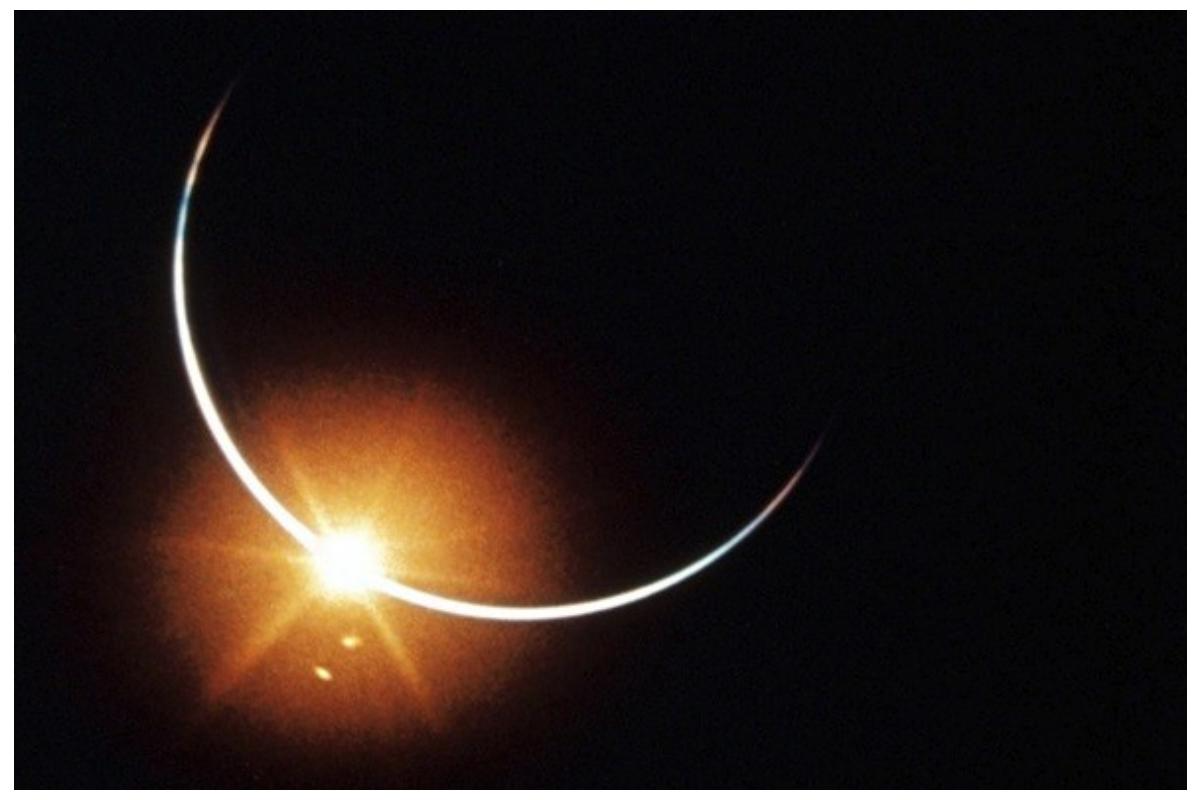
Shifting our perspective from Earth to its natural satellite, a solar eclipse transforms from a darkening of our sun into a breathtaking spectacle of a planetary shadow-play. This guide explores the science, visuals, and profound implications of witnessing this celestial alignment from the lunar surface, revealing an event both familiar and alien.

The Sun’s Death May Mean New Life: How the Outer Solar System Will Thaw

In approximately 5 billion years, our Sun will exhaust its hydrogen core and swell into a massive red giant, spelling inevitable destruction for the inner planets. However, this cataclysmic stellar death throe will dramatically shift the solar system’s habitable zone outward. Icy moons around Jupiter and Saturn, along with frozen dwarf planets in the Kuiper Belt, may experience a profound thawing, potentially transforming into temperate water worlds capable of supporting new life.

The Ultimate Guide to Safe Solar Observation: Eclipses, Sunspots, and Filters

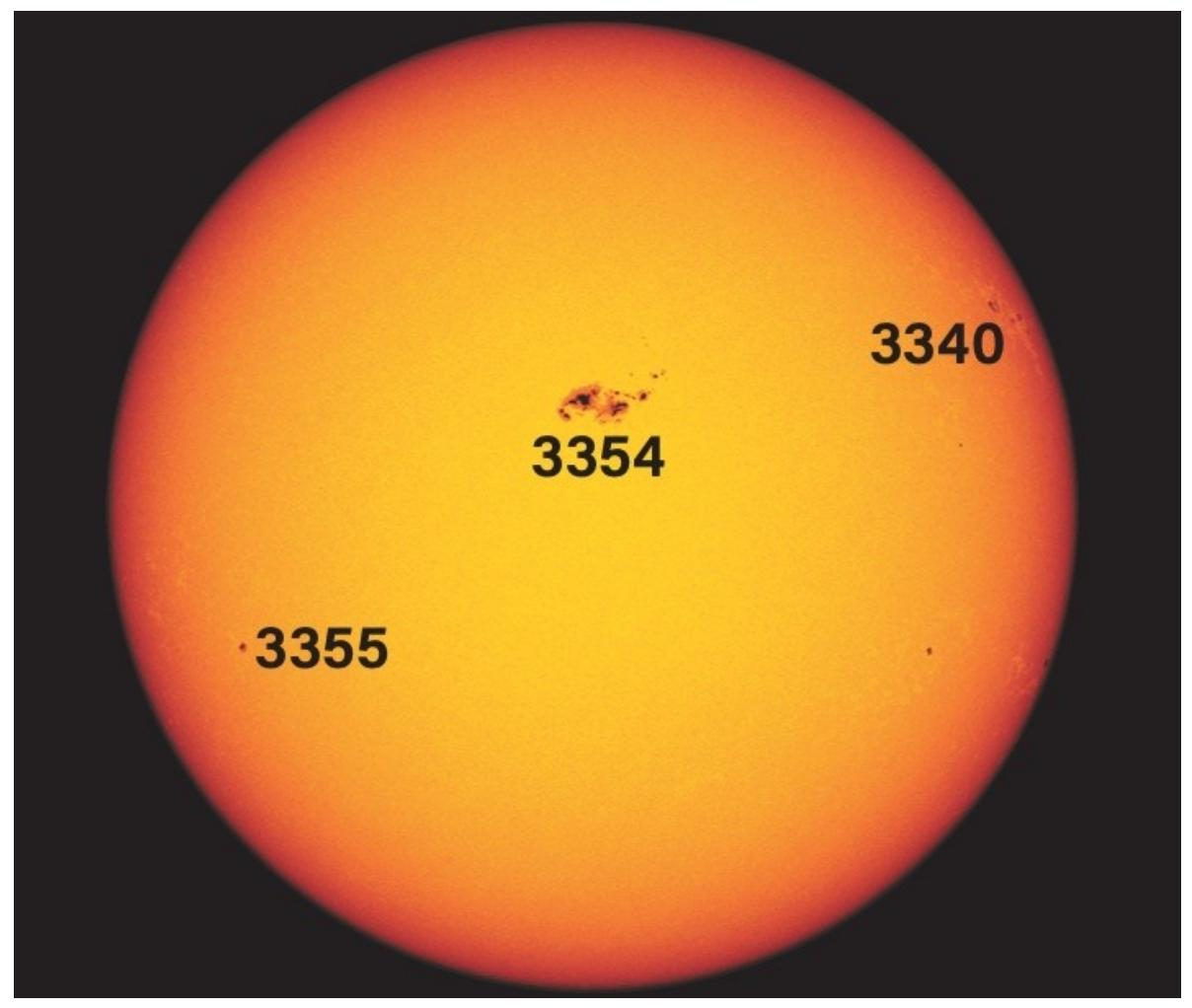
Observing the sun offers a breathtaking glimpse into the dynamic heart of our solar system, from tracking migrating sunspots to witnessing the awe-inspiring alignment of a total solar eclipse. However, solar observation carries profound risks if executed improperly. This comprehensive pillar page meticulously breaks down the science of solar retinopathy, the critical importance of ISO-certified solar filters, step-by-step methodologies for pinhole projection, and advanced telescopic techniques to ensure your solar viewing experience is entirely safe and deeply rewarding.

Unraveling Solar Mysteries: A Comprehensive Guide to Solar Observation and Earth’s Climate

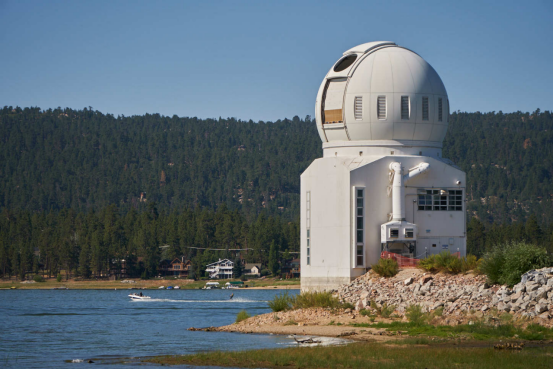
This comprehensive pillar page delves into the multifaceted relationship between the Sun and Earth, exploring advanced solar observation techniques, historical climate connections, the fundamental processes of solar fusion, and crucial early warning systems for solar phenomena. We examine the latest advancements in solar telescopes, the impact of solar magnetic cycles on Earth’s climate, the detection of solar neutrinos, and strategies for protecting our planet from solar events.